
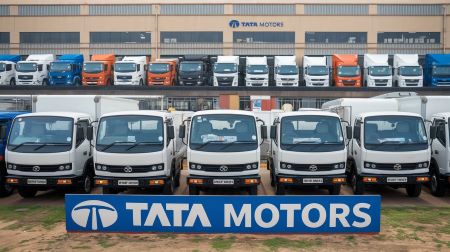
Tata Motors, India’s leading commercial vehicle manufacturer, has announced a price hike of up to 2% across its entire commercial vehicle range, effective from April 1, 2025.
This decision comes in response to increasing input costs, which have been impacting the global automotive industry. The price increase will be model and variant-specific, meaning different vehicles will see varying price adjustments.
Why is Tata Motors Increasing Commercial Vehicle Prices?
1. Rising Input Costs in the Automobile Industry
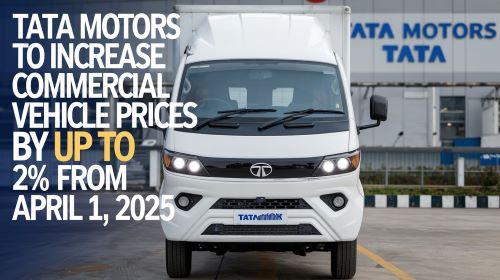
The primary reason behind the price hike is the increasing cost of raw materials and other manufacturing expenses. Over the past few years, the automobile sector has witnessed a steady rise in input costs due to various factors such as:
- Increase in metal prices – The cost of essential metals like steel, aluminum, and copper has surged significantly.
- Higher logistics expenses – Transportation and freight charges have risen, affecting production and distribution costs.
- Fluctuations in currency exchange rates – The depreciation of the Indian rupee against the US dollar has impacted the import costs of certain components.
2. Inflation and Economic Factors
The automotive sector has been facing inflationary pressures, which have led to increased production costs. This has made it necessary for manufacturers like Tata Motors to adjust their vehicle prices accordingly.
3. Compliance with New Regulatory Norms
Government regulations regarding emissions and safety standards are becoming stricter. To meet these new norms, manufacturers are investing in research and development, which adds to the overall cost of production.
Impact of Tata Motors’ Price Hike on the Market
1. Effect on Small Businesses and Fleet Owners
Small businesses and fleet owners who rely on Tata’s commercial vehicles for logistics and transportation may have to reconsider their budgets. The 2% increase might lead to higher operational costs, especially for those with larger fleets.
2. Impact on the Transportation Sector
With commercial vehicle prices increasing, transportation companies might pass on the extra costs to consumers. This could result in higher freight charges, affecting the prices of goods and services across various industries.
3. Competitive Landscape in the Automobile Industry
Tata Motors is one of the largest players in the Indian commercial vehicle segment. However, with price hikes, competitors like Ashok Leyland, Mahindra & Mahindra, and Eicher Motors might also make similar moves or offer competitive pricing strategies to attract buyers.
Which Vehicles Will Be Affected?
Tata Motors has stated that the price hike will be model and variant-specific, meaning that some vehicles will experience higher increases than others.

The company offers a wide range of commercial vehicles, including:
- Trucks (light, medium, and heavy commercial vehicles)
- Buses (school, passenger, and electric buses)
- Pick-up trucks (such as Tata Yodha and Xenon)
- Electric and alternative fuel vehicles
While the exact increase will depend on the specific model and configuration, customers planning to purchase a Tata commercial vehicle should expect price adjustments from April 1, 2025.
What Should Buyers Do Before April 2025?
If you are considering purchasing a Tata commercial vehicle, here are some steps to take before the price hike:
1. Finalize Your Purchase Before April 1, 2025
Buyers can avoid the price hike by booking their preferred vehicle before the new pricing comes into effect. This will help them save money and secure a better deal.
2. Look for Discount Offers
Tata Motors or its dealers might provide year-end discounts or financing options to encourage purchases before the price increase. Keep an eye out for such offers.
3. Consider Pre-Owned or Used Vehicles
For those looking to minimize costs, purchasing a certified pre-owned commercial vehicle could be a cost-effective alternative.
4. Evaluate Alternative Brands
If the price hike significantly impacts affordability, buyers may explore other commercial vehicle brands that offer similar features and reliability.
Tata Motors’ Commitment to Customers
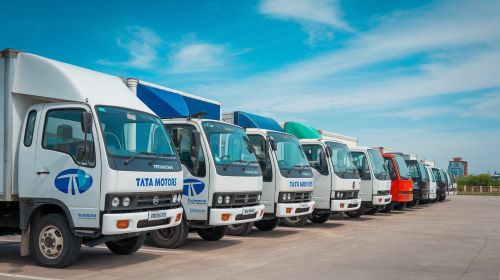
Despite the price hike, Tata Motors continues to focus on delivering high-quality and fuel-efficient commercial vehicles.
The company is also investing in electric and alternative fuel options, which could provide long-term cost savings for businesses.
Tata Motors has assured its customers that it remains committed to:
- Offering value-for-money vehicles
- Enhancing fuel efficiency and reducing operational costs
- Providing after-sales support and financing solutions
Conclusion
Tata Motors’ decision to increase commercial vehicle prices by up to 2% from April 1, 2025, is a necessary step to counter rising input costs.
While the hike may affect businesses and fleet owners, those looking to purchase a Tata vehicle can take advantage of pre-hike discounts and financing options.