
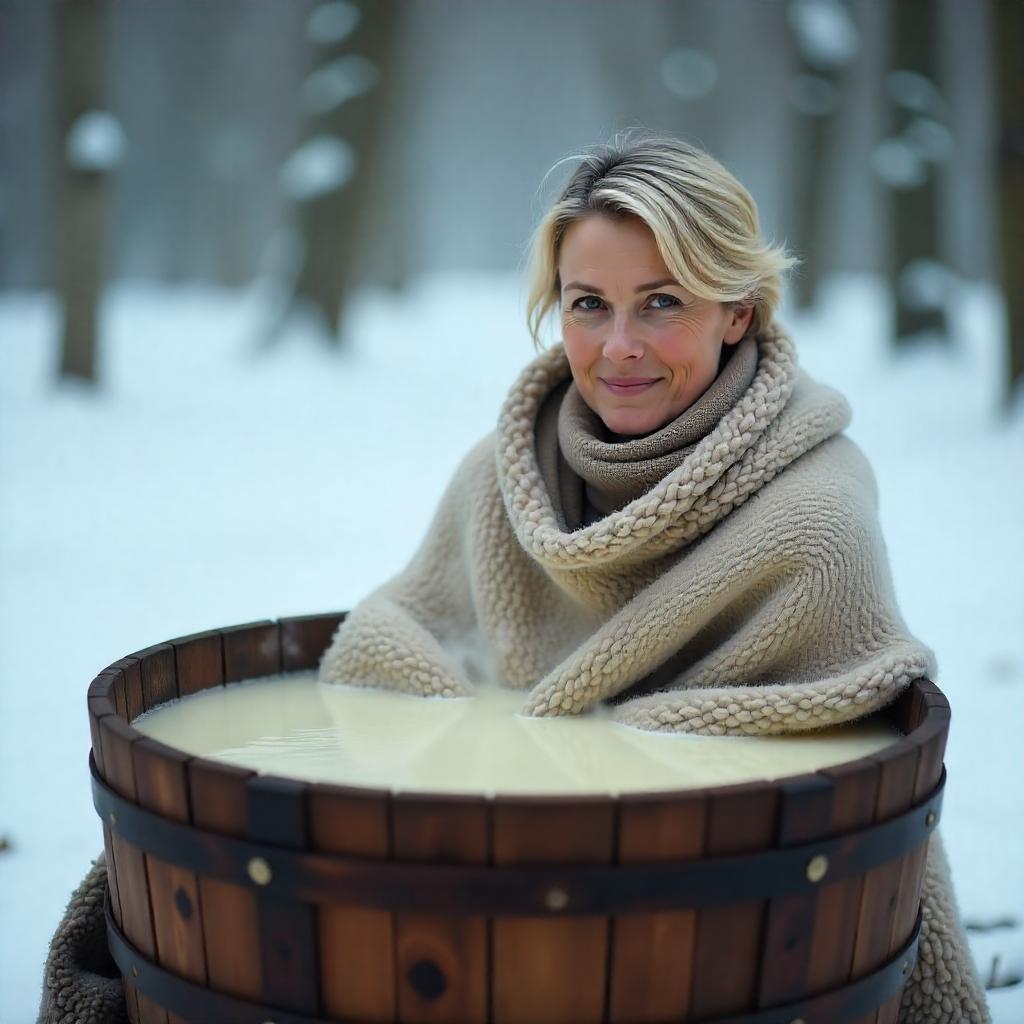
A Natural Skincare Secret for Glowing and Healthy Skin
In the age of chemical-filled beauty products, natural remedies like a milk and honey bath have become popular for being gentle yet highly effective. This ancient skincare practice has been used for centuries, even by queens like Cleopatra, to maintain smooth, radiant skin. But what makes a milk and honey bath so powerful? The combination of these two natural ingredients offers a variety of skin benefits—from deep hydration to anti-aging effects.
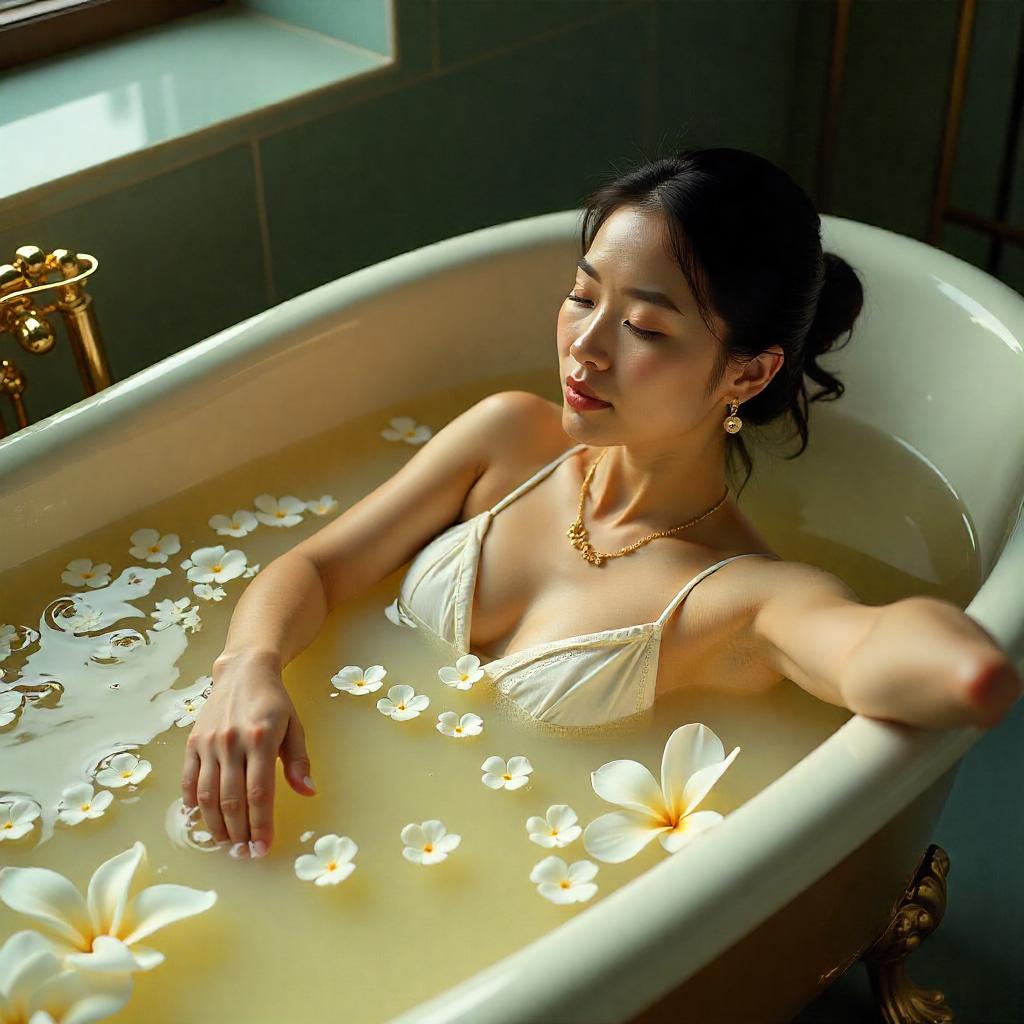
In this article, we’ll explore the top 5 benefits of a milk and honey bath, how to prepare it at home, and why you should consider adding it to your weekly skincare routine.
Why Choose a Milk and Honey Bath for Skincare?
Before diving into the benefits, it’s important to understand why milk and honey are a match made in skincare heaven.
Milk – A Natural Moisturiser and Exfoliator
- Rich in lactic acid which gently exfoliates dead skin cells.
- Contains proteins, fats, vitamins (especially Vitamin D), and minerals that deeply hydrate and nourish the skin.
Honey – A Natural Antibacterial and Healing Agent
- Helps treat acne and inflammation due to its antibacterial properties.
- Locks in moisture and soothes dry, irritated skin.
Together, they form a luxurious bath that not only pampers your body but also improves skin health naturally.
Top 5 Milk and Honey Bath Benefits for Your Skin
1. Deep Moisturisation and Hydration
One of the most important benefits of a milk and honey bath is its ability to deeply moisturize the skin. Milk’s fats and proteins penetrate the skin layers, while honey seals in the moisture.
Benefits:
- Prevents dryness and flakiness.
- Makes skin soft, smooth, and supple.
- Excellent for people with dry skin or during winter.
2. Natural Exfoliation for Radiant Skin
Milk contains lactic acid, a natural alpha hydroxy acid (AHA) that gently removes dead skin cells without harsh scrubbing.
Benefits:
- Promotes cell turnover.
- Reveals fresher, glowing skin underneath.
- Helps unclog pores and prevents blackheads.
3. Soothes Skin Irritations and Reduces Inflammation
If you suffer from skin conditions like eczema, psoriasis, or sunburn, a milk and honey bath can offer relief. Honey’s antibacterial and anti-inflammatory properties, combined with milk’s cooling effect, help calm the skin.
Benefits:
- Reduces redness, itching, and inflammation.
- Heals small cuts, wounds, or burns faster.
- Provides comfort to sensitive skin.
4. Anti-Aging and Skin Tightening Effects
Both milk and honey are loaded with antioxidants that help fight signs of aging. Milk’s vitamins and honey’s enzymes help improve skin elasticity and reduce the appearance of fine lines.
Benefits:
- Delays premature aging.
- Improves skin firmness and tone.
- Boosts natural collagen production.
5. Detoxifies and Brightens Skin
A warm milk and honey bath helps draw out impurities and toxins from the skin. Honey has cleansing properties while milk nourishes the skin from within.
Benefits:
- Enhances your natural glow.
- Brightens dull or tired-looking skin.
- Leaves you feeling fresh and rejuvenated.
How to Prepare a Milk and Honey Bath at Home
Creating this luxury bath at home is simple and affordable. Here’s how to do it:
Ingredients:
- 2 cups full-fat milk (cow, goat, or coconut milk)
- ½ cup raw organic honey
- Optional: A few drops of essential oils (lavender or rose)
- Warm water in a bathtub
Steps:
- Warm the milk slightly and mix it with honey until fully blended.
- Fill your bathtub with warm water.
- Pour the milk and honey mixture into the tub.
- Stir gently and soak for 20–30 minutes.
- Rinse with clean water after soaking and pat your skin dry.
Note: For added relaxation, light candles and play soothing music during your bath.
Milk and Honey Bath for All Skin Types
Whether you have oily, dry, or sensitive skin, a milk and honey bath is generally safe for all skin types. However, always do a patch test if you are using this remedy for the first time, especially if you have allergies.
Skincare Tips After a Milk and Honey Bath
To maximize the results, follow these post-bath skincare steps:
- Apply a light, fragrance-free moisturizer to seal in hydration.
- Avoid using harsh soaps immediately after.
- Use the milk and honey bath once or twice a week for best results.
SEO Keywords to Remember:
- Milk and honey bath benefits
- Homemade skincare routine
- Natural remedies for glowing skin
- DIY milk and honey bath
- Best bath for dry skin
- Skincare tips for radiant skin
Conclusion: Embrace Natural Skincare with Milk and Honey
A milk and honey bath is more than just a pampering ritual—it’s a powerful way to naturally nourish your skin. With benefits ranging from hydration and exfoliation to anti-aging and healing, this homemade skincare treatment is a must-try. Best of all, it requires just two easily available ingredients and a bit of relaxation time.
So why wait? Indulge your skin in the goodness of milk and honey and rediscover your natural glow—right at home.
What is a Milk Bath?
A milk bath is a skincare treatment that involves adding milk or milk-based products to warm bathwater to enhance skin health and appearance. This ancient beauty ritual is known for its soothing, hydrating, and exfoliating properties.
How Does a Milk Bath Work?
According to aesthetic physician and cosmetologist Dr. Karuna Malhotra, milk contains lactic acid, which acts as a natural exfoliant, helping to gently remove dead skin cells. In addition, the fats and proteins found in milk deeply moisturize and nourish the skin, leaving it soft and radiant.
Types of Milk Used in Milk Baths:
- Whole Milk – Rich in fats and nutrients, great for hydration.
- Coconut Milk – Known for its anti-inflammatory and skin-soothing properties.
- Goat’s Milk – Contains natural compounds that soften skin and reduce irritation.
- Human Breast Milk – While primarily used for babies, some evidence (such as a 2019 study published in the journal Nutrients) suggests it can help treat skin issues like diaper rash due to its anti-inflammatory effects. However, this is mostly limited to infant care.
Why Try a Milk Bath?
A milk bath is a natural, gentle, and effective way to pamper your skin. Whether you want to soothe irritation, hydrate dry skin, or achieve a glowing complexion, this age-old remedy is a luxurious yet simple addition to your skincare routine.
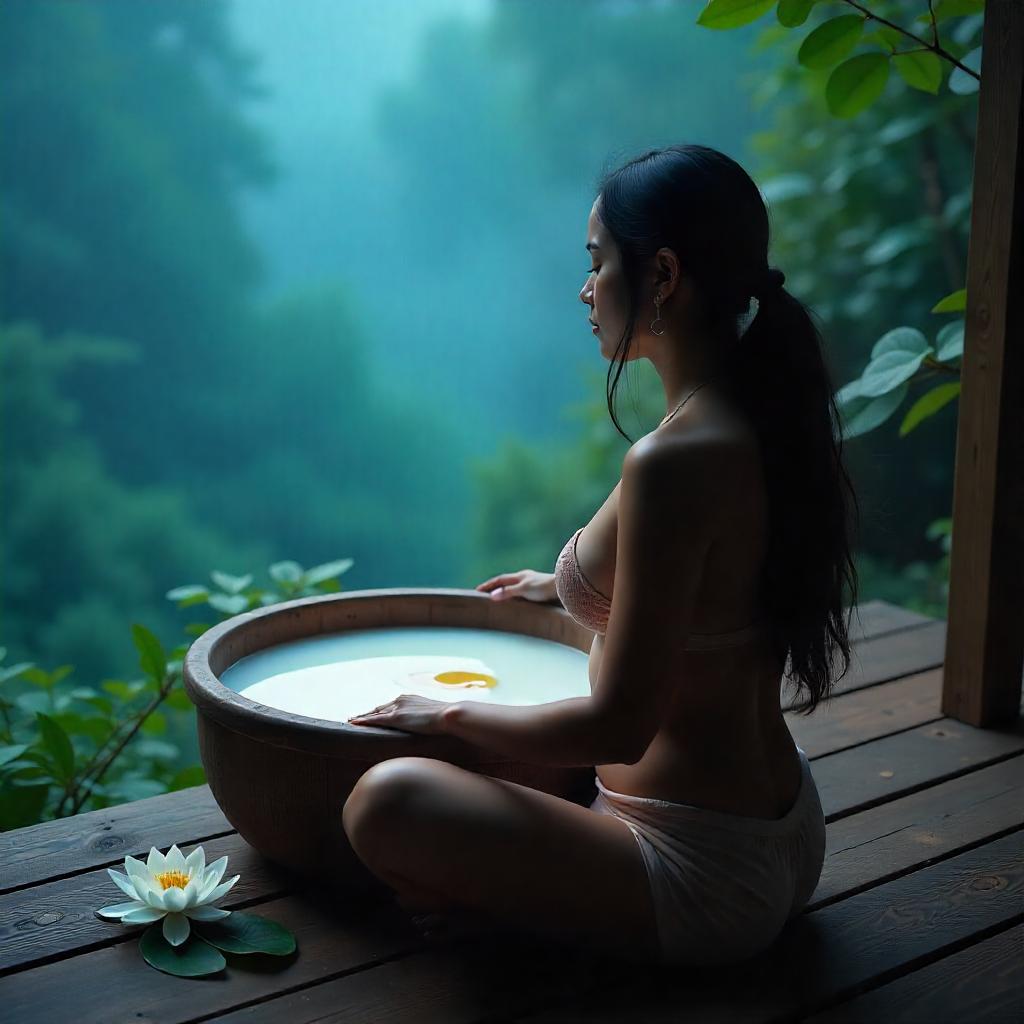
How to Take a Milk Bath at Home: Step-by-Step Guide
A milk bath is a luxurious and natural way to pamper your skin. It’s easy to prepare and offers incredible skincare benefits. Whether you’re looking to hydrate your skin, soothe irritation, or simply relax, here’s how you can take a milk bath the right way:
Step 1: Fill the Bathtub with Warm Water
Start by filling your bathtub with warm water—not too hot. The water temperature should be comfortable to relax in but not so hot that it dries out or damages your skin’s natural moisture barrier.
Step 2: Add Milk to the Water
Pour 1 to 2 cups of milk into the bathtub. You can choose from various types of milk based on your skin type and preference:
- Whole milk (for deep hydration)
- Goat’s milk (great for sensitive skin)
- Coconut milk (suitable for dry or irritated skin)
- Powdered milk (a convenient option)
Step 3: Enhance with Skin-Friendly Ingredients (Optional)
To make your milk bath even more beneficial:
- Add 1 tablespoon of honey – a natural humectant that boosts hydration.
- Add colloidal oatmeal – helps calm itchy, irritated, or eczema-prone skin.
- A few drops of essential oils like lavender or rose can be added for fragrance and relaxation.
Step 4: Soak and Relax
Gently step into the bath and soak for 15 to 20 minutes. During this time:
- Let the lactic acid in milk exfoliate dead skin cells.
- Allow the fats and proteins to moisturize and nourish your skin.
- You may gently massage your skin in circular motions to enhance the exfoliation effect.
Step 5: Rinse Off Gently
After soaking, rinse your body with lukewarm, clean water to remove any milk residue. This helps prevent clogged pores and keeps your skin feeling fresh and clean.
Step 6: Pat Dry and Moisturize
Once you step out of the bath, pat your skin dry with a soft towel. Avoid rubbing. Follow up with a light, fragrance-free moisturizer to lock in the hydration.
Tips for a Perfect Milk Bath Experience:
- Use milk baths once or twice a week for best results.
- Always test any added ingredients (like essential oils) on a small area of skin to check for allergic reactions.
- Avoid using harsh soaps right after your milk bath as they may strip away the moisturizing effects.
Milk Bath Side Effects: What You Need to Know Before Trying This Skincare Trend
Understanding the Risks Behind the Milk Bath Skincare Routine
Milk baths have been gaining popularity as a luxurious and natural skincare ritual, promising soft, glowing, and hydrated skin. The combination of milk and honey in bathwater is praised for its moisturizing and exfoliating properties. However, while many people benefit from this soothing remedy, it’s important to understand that milk baths may also have side effects, especially for those with sensitive skin or certain health conditions.
Before you jump into this trending beauty treatment, here is everything you need to know about the side effects of milk baths—with expert insights, safety tips, and precautions to help you make an informed decision.
What Is a Milk Bath? A Quick Recap
A milk bath involves adding milk (whole milk, goat’s milk, coconut milk, or powdered milk) to warm bathwater. People often enhance it with ingredients like honey, oatmeal, or essential oils for additional skincare benefits.
Why It’s Popular:
- Lactic acid in milk exfoliates dead skin.
- Fats and proteins nourish and hydrate.
- Honey and oatmeal add anti-inflammatory and soothing properties.
But just like any skincare treatment, milk baths are not risk-free.
Top Side Effects of Milk Baths You Should Be Aware Of
1. Skin Allergies and Irritation
One of the most common side effects of milk baths is skin irritation or allergic reactions, especially for people with dairy allergies or sensitive skin.
Common Symptoms:
- Redness
- Itching
- Rashes
- Burning sensation
Tip: Always do a patch test before taking a full milk bath.
2. Clogged Pores and Acne Breakouts
Milk contains fats and proteins that can clog pores, particularly in people with oily or acne-prone skin. When mixed with warm water, these fats may stick to the skin and lead to pimples or blackheads.
Keyword-rich Note:
If you’re looking for natural remedies for glowing skin, a milk bath might help, but it can also trigger acne breakouts if not rinsed off properly.
3. Risk of Fungal or Bacterial Infections
Dairy products in warm water can create an ideal environment for the growth of bacteria and fungi. If the bathtub is not cleaned properly or if milk residue remains on the skin, it can cause:
- Fungal infections (like yeast infections in intimate areas)
- Bacterial skin infections
Tip: Always rinse thoroughly with clean water after a milk bath and disinfect the bathtub after use.
4. Unpleasant Odor and Spoilage
Milk, especially if not fresh or stored correctly, can spoil quickly, especially in a warm environment like a bath. Spoiled milk releases a sour odor that may cling to your skin or bathroom.
Precaution:
- Always use fresh or properly stored milk.
- Avoid soaking for too long (15–20 minutes is ideal).
5. Slippery Surfaces Leading to Falls
This might sound obvious, but milk makes surfaces very slippery. A milk bath can increase the risk of slipping in the bathtub, especially when getting in or out.
Safety Tips:
- Use a non-slip mat.
- Keep a towel or grip nearby to hold onto while exiting the tub.
Who Should Avoid Milk Baths Completely?
Not everyone is an ideal candidate for milk baths. Here’s a list of people who should either avoid or consult a doctor before trying one:
1. People with Dairy Allergies
- Any exposure—even topically—can trigger an allergic reaction.
2. Those with Eczema or Psoriasis
- While some say milk soothes eczema, others may find it irritating.
- It’s best to consult a dermatologist.
3. Pregnant Women
- Adding certain essential oils with milk baths can be unsafe during pregnancy.
4. Babies and Infants (Without Doctor’s Approval)
- Even though breast milk baths are sometimes used for babies, cow’s milk or goat’s milk can cause skin reactions.
Tips to Minimize Side Effects of Milk Baths
If you still want to enjoy the benefits of a milk and honey bath while avoiding risks, follow these safe skincare practices:
✅ Use Pasteurized Milk Only
Avoid raw milk to reduce the risk of bacterial contamination.
✅ Limit Soaking Time
Keep your bath between 15–20 minutes to prevent excessive exposure.
✅ Clean the Tub Before and After
Hygiene is key to avoiding skin infections.
✅ Rinse Off Thoroughly
After your soak, rinse with lukewarm water to remove all milk residue from your body.
✅ Moisturize Wisely
Use a non-comedogenic moisturizer to hydrate skin after bathing.
SEO Keywords to Target:
- Side effects of milk baths
- Is milk bath safe for skin?
- Milk and honey bath disadvantages
- Milk bath for sensitive skin
- Skincare risks of milk bath
- DIY milk bath side effects
- Who should avoid milk baths?
Conclusion: Are Milk Baths Worth It?
While a milk bath offers many skincare benefits like deep hydration, exfoliation, and skin soothing, it’s important to weigh the side effects and potential risks—especially for those with sensitive or allergy-prone skin.
If used carefully and in moderation, milk baths can still be a part of your natural skincare routine. Just be aware of your skin’s needs, conduct a patch test, and follow the right hygiene practices.
Consult your dermatologist if you have pre-existing skin conditions or concerns before trying any new skincare treatment, even one as natural as a milk bath.
Can I Take a Milk Bath Every Day? Here’s What You Should Know
Yes, you can take a milk bath every day, especially if your skin is dry, dull, or sensitive. Milk baths are gentle on the skin and offer numerous benefits, including hydration, exfoliation, and skin nourishment. Whether you’re looking to calm irritated skin or add a healthy glow, a daily milk bath can be a soothing addition to your skincare routine.
Why a Daily Milk Bath Can Be Beneficial:
- Lactic acid in milk helps remove dead skin cells naturally.
- Fats and proteins in milk deeply moisturize the skin.
- Helps soothe dry, itchy, or sensitive skin.
However, while daily milk baths are generally safe, it’s important to:
- Use pasteurized milk to avoid bacterial risks.
- Rinse off properly after each bath.
- Avoid using too many additives (like essential oils) daily to prevent skin irritation.
- Observe your skin’s reaction—if you notice any redness or breakouts, reduce the frequency.

Final Thought:
A daily milk bath is a luxurious yet natural way to pamper your skin—just make sure to keep it simple, clean, and suitable for your skin type.