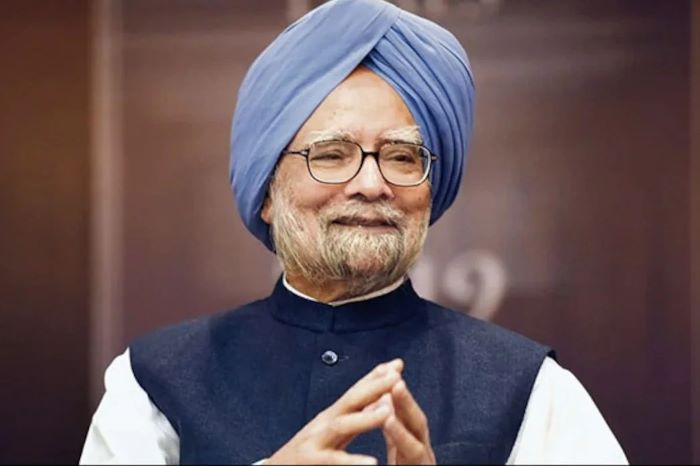
Introduction Manmohan Singh, the visionary economist and former Prime Minister of India, is widely celebrated for his pivotal role in shaping the nation’s economic trajectory.
As the architect of India’s 1991 economic reforms, Singh laid the foundation for liberalisation, globalisation, and privatisation, transforming India into one of the fastest-growing economies globally.
His reforms not only averted an economic crisis but also ushered in a new era of prosperity and global recognition for the country.
The 1991 Economic Crisis: A Nation at the Brink
In 1991, India faced one of its worst economic crises. Key challenges included:
- Balance of Payments Deficit: Foreign exchange reserves were sufficient for only a few weeks of imports.
- Soaring Fiscal Deficit: Government spending far outstripped revenue, leading to unsustainable borrowing.
- High Inflation: Rising prices eroded public purchasing power and confidence.
- Dwindling Investor Confidence: Excessive regulation and the Licence Raj discouraged foreign and domestic investment.
In a desperate move, the government had to pledge gold reserves to secure a bailout from the International Monetary Fund (IMF), highlighting the severity of the situation.
The Role of Manmohan Singh As Finance Minister under Prime Minister PV Narasimha Rao, Manmohan Singh spearheaded a series of bold economic reforms aimed at reviving the economy. His masterstroke was the 1991 Union Budget, which set the tone for transformative changes.
Key Reforms Introduced
- Liberalisation
- Abolition of Licence Raj: Industries no longer needed government approval for production.
- Relaxation of Trade Policies: Reduced import tariffs and export restrictions opened the economy to global markets.
- Privatisation
- Disinvestment in Public Sector Enterprises: Encouraged private sector participation to improve efficiency.
- Reduced Government Monopoly: Allowed private players in sectors like telecommunications, banking, and aviation.
- Globalisation
- Foreign Direct Investment (FDI): Allowed up to 51% FDI in several industries, encouraging multinational companies to enter India.
- Integration with Global Markets: Adopted policies to make India’s economy competitive on a global scale.
Impact on the Indian Stock Market
The economic reforms of 1991 had a profound and lasting impact on the Indian stock market:
- Increased Investor Confidence
- Foreign and domestic investors gained trust in India’s economic stability and growth potential.
- The Bombay Stock Exchange (BSE) experienced significant growth as markets opened up.
- Introduction of SEBI
- The establishment of the Securities and Exchange Board of India (SEBI) in 1992 ensured transparency and protected investors, fostering trust in the capital markets.
- Market Expansion
- Companies gained easier access to capital through public listings, boosting market activity.
- Emergence of the National Stock Exchange (NSE) in 1994 further modernised trading practices.
India’s Economic Transformation
- Economic Growth
- India’s GDP growth rate surged, averaging around 6-8% annually over the next two decades.
- Poverty levels dropped significantly as millions were lifted out of poverty.
- Industrial Growth
- Sectors like IT, pharmaceuticals, and manufacturing flourished.
- India became a hub for global outsourcing, particularly in software and IT services.
- Global Recognition
- The world began to view India as an emerging economic power and a valuable ally in global trade and nuclear matters.
Manmohan Singh as Prime Minister (2004-2014) During his tenure as Prime Minister, Singh continued to implement policies that promoted economic growth:
- Economic Reforms: Initiatives like the Goods and Services Tax (GST) and Direct Tax Code laid the groundwork for fiscal stability.
- Rural Development: Schemes like MGNREGA improved rural livelihoods and infrastructure.
- Strengthened Foreign Relations: Strengthened ties with global powers, enhancing trade and investment.
Legacy of Manmohan Singh
- Visionary Leadership
- Singh’s reforms reshaped India’s economic destiny, positioning it as a key player in the global economy.
- Focus on Inclusive Growth
- While fostering economic liberalisation, Singh ensured that the benefits of growth reached all sections of society.
- Institutional Strengthening
- Under his leadership, regulatory institutions like SEBI, RBI, and TRAI gained prominence and autonomy.
Conclusion Manmohan Singh’s economic reforms of 1991 were a turning point in India’s history. They not only rescued the country from an imminent financial collapse but also paved the way for decades of economic growth and global integration.
As a statesman and economist, Singh’s contributions will continue to inspire generations to strive for a more prosperous and equitable India. His legacy as the architect of modern India’s economic transformation remains unmatched.