

Madurai, June 25, 2025 — In a significant ruling, the Madras High Court has upheld the decision of the State Bank of India (SBI) to cancel the appointment of a candidate to the post of Circle Based Officer (CBO) based on his poor credit history, as revealed by a CIBIL report.

Justice N. Mala dismissed a writ petition filed by the candidate (name changed as P. Parthiban), asserting that SBI was within its rights to revoke the offer after discovering the individual’s repeated defaults in repaying bank loans. The judge observed that public sector banks, being custodians of public funds, are expected to maintain stringent standards when it comes to financial integrity and discipline.
Financial Discipline Essential for Bank Roles
“Obviously, a person with poor or no financial discipline cannot be trusted with public money,” said Justice Mala in her order. She supported the argument presented by SBI’s counsel, Chevanan Mohan and A. Rexy Josephine Mary, who stated that the bank had clearly mentioned credit history as an eligibility criterion in its recruitment notification.
The petitioner, however, contended that he had cleared all his outstanding dues before applying for the job. Therefore, he argued, his past credit issues should not disqualify him from the position.
Court Says Clean Credit History Is a Must
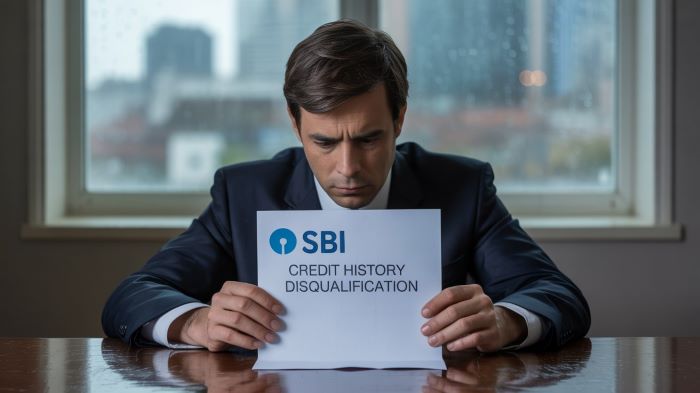
Rejecting this argument, the judge said the issue was not merely about clearing dues before the application but about maintaining a consistent and clean credit history. “The criterion is about possessing a clean and responsible track record in discharging financial obligations,” she clarified.
The court further noted that the petitioner had failed to challenge this criterion during the recruitment process and had allegedly suppressed his poor credit record while applying.
Supreme Court Precedent Cited
In backing SBI’s decision, the High Court also referred to a 2003 Supreme Court judgment, which stated that public service recruitment must strictly adhere to the stated recruitment rules. Any deviation, the court observed, could result in unfair advantages and compromise the quality of public institutions.

Conclusion
This ruling is likely to set a precedent for similar cases involving public sector recruitment and reinforces the importance of financial integrity for aspirants of positions involving public trust and financial management