Olive Oil in Indian Kitchens: A Healthy Shift
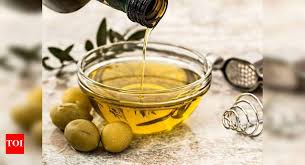
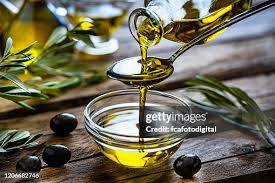
Olive oil has increasingly become a preferred choice among health-conscious Indians looking for a heart-healthy cooking alternative. Known for its anti-inflammatory and antioxidant-rich properties, extra virgin olive oil is replacing conventional oils like mustard or sunflower oil in many Indian households.
But the big question remains — Is olive oil really good for your health? And if so, how can we use it the right way?
What Makes Olive Oil Healthy?
According to leading dieticians, olive oil is rich in antioxidants, Vitamin E, Vitamin K, and phenolic compounds, making it a superfood for overall wellness. These nutrients play a crucial role in fighting oxidative stress and preventing lifestyle-related diseases.
“Olive oil is helpful to protect a person against cardiovascular diseases, type 2 diabetes, obesity, and even some types of cancer,” says dietician Swatee Sandhan.
Health Benefits of Olive Oil
1. Protects the Heart
One of the top health benefits of olive oil is its cardio-protective property. The monounsaturated fats (MUFA) in olive oil reduce LDL (bad cholesterol) and increase HDL (good cholesterol), promoting better heart health.
Keywords:
- Olive oil for heart health
- Extra virgin olive oil for cholesterol
- Monounsaturated fats
Benefits:
- Reduces blood pressure
- Prevents artery clogging
- Improves blood circulation
2. Helps Prevent Type 2 Diabetes
Olive oil’s antioxidants combat oxidative stress, a major contributor to insulin resistance. Regular use can stabilize blood sugar levels, making it ideal for diabetic-friendly diets.
Keywords:
- Olive oil for diabetes
- Manage blood sugar naturally
- Anti-diabetic foods
Benefits:
- Lowers fasting glucose
- Improves insulin sensitivity
- Reduces risk of diabetes complications
3. Fights Inflammation and Oxidative Stress
Olive oil contains phenolic compounds that reduce inflammation — the root cause of most chronic conditions like arthritis, obesity, cancer, and autoimmune diseases.
Keywords:
- Anti-inflammatory olive oil
- Olive oil phenols
- Natural antioxidants
Benefits:
- Boosts immune function
- Protects organs from damage
- Aids in chronic illness management
4. Supports Weight Loss
Contrary to the myth that fats lead to weight gain, healthy fats like olive oil help you feel full and reduce cravings. It improves metabolism and aids in fat breakdown.
Keywords:
- Olive oil for weight loss
- Healthy fats for belly fat
- Fat-burning foods
Benefits:
- Improves satiety
- Enhances digestion
- Promotes fat metabolism
5. Good for Skin and Hair
Rich in Vitamin E, olive oil is great for external as well as internal use. It moisturizes skin, reduces wrinkles, and adds shine to hair.
Keywords:
- Olive oil for glowing skin
- Olive oil hair benefits
- Natural beauty oil
Benefits:
- Hydrates skin
- Prevents hair fall
- Treats dandruff and dryness
Risks and Dangers of Using Olive Oil
While olive oil offers several health advantages, overusing or misusing it can do more harm than good.
1. Low Smoke Point for Cooking
Extra virgin olive oil has a low smoke point of around 190–210°C, making it unsuitable for deep frying or high-heat cooking. Overheating destroys its antioxidants and creates harmful compounds.
Keywords:
- Olive oil smoke point
- Safe cooking oil temperatures
- Olive oil frying risks
2. High-Calorie Content
One tablespoon of olive oil contains 120 calories, and overuse can contribute to weight gain, especially when added liberally to salads, dips, or cooked meals.
Keywords:
- Calories in olive oil
- Overeating healthy fats
- Weight gain from oils
3. Adulterated Products in Market
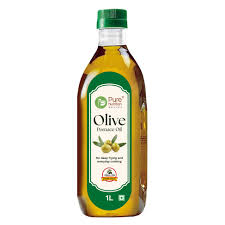
Not all olive oils are created equal. Many products labeled as “pure” or “light” olive oil are heavily processed or mixed with cheaper oils. Always choose certified extra virgin olive oil for maximum health benefits.
Keywords:
- Best olive oil brands in India
- Fake olive oil detection
- Pure vs. extra virgin olive oil
Tips to Use Olive Oil the Healthy Way
To maximize the benefits of olive oil without compromising your health, follow these expert-backed tips:
✅ Choose Cold-Pressed Extra Virgin Olive Oil
Look for cold-pressed extra virgin olive oil with minimal processing. It retains the most nutrients and antioxidants.
✅ Use for Salad Dressings and Light Sauteing
Ideal uses include:
- Salad dressings
- Light sautéing of vegetables
- Drizzling over cooked food
✅ Avoid Deep Frying
For frying, switch to oils with higher smoke points like avocado oil, mustard oil, or groundnut oil.
✅ Store in a Cool, Dark Place
Exposure to light and heat can degrade olive oil’s quality. Always store it in a dark glass bottle away from the stove.
✅ Don’t Overconsume
Stick to 1–2 tablespoons per day. Even healthy oils can cause weight gain if consumed in excess.
Final Thoughts: Is Olive Oil Really Good for Health?
Yes, olive oil is excellent for your health when used correctly. Its rich antioxidant content, heart-healthy fats, and anti-inflammatory properties make it a must-have in modern kitchens.
However, it is not a magic bullet. It should be part of a balanced diet, accompanied by exercise and other healthy lifestyle choices.
Quick Recap: Olive Oil Pros and Cons
✔️ Pros:
- Heart health booster
- Anti-diabetic and anti-inflammatory
- Good for skin, hair, and weight loss
❌ Cons:
How Much Olive Oil is Too Much? Dietician Explains Benefits, Risks and Smart Usage Tips
Olive Oil: A Superfood or a Slippery Slope?
Olive oil, especially extra virgin olive oil (EVOO), has emerged as a health favorite in Indian kitchens. Known for its rich content of monounsaturated fats and antioxidants, it is hailed for promoting heart health, managing cholesterol, and reducing inflammation. But is more always better?
According to health experts, using olive oil in excess can have unintended side effects, including weight gain and nutrient loss when overheated. So, how much olive oil is safe to consume daily? Let’s break it down.
Understanding Olive Oil Nutrition: Calories and Composition
While olive oil is packed with good fats, it’s also calorie-dense.
- 1 teaspoon of olive oil = 40 calories
- 1 tablespoon = 120 calories
This means even small overuse in daily cooking can quickly add hundreds of calories to your diet, especially if used in salad dressings, sautéing, or drizzled over foods.
Keywords:
- Olive oil calories
- How much olive oil is healthy
- Olive oil fat content
Is Too Much Olive Oil Bad for You?
1. Weight Gain Risk
Though olive oil contains healthy fats, consuming it in large quantities can contribute to caloric surplus. If you’re trying to lose weight, mindless use can sabotage your goals.
Points to Note:
- Healthy doesn’t mean low-calorie
- Limit usage to 1–2 teaspoons per meal
- Monitor total daily fat intake
2. Nutrient Loss from Overheating
Extra virgin olive oil has a low smoking point of 190°C. Using it for deep frying or high-heat cooking can destroy its antioxidants and release toxic compounds.
Keywords:
- Olive oil smoke point
- Safe temperature for olive oil
- Olive oil frying dangers
Health Conditions to Watch Out For
People with the following conditions should consult their doctor before including olive oil regularly in their diet:
- Allergies: Rare but possible with olive derivatives
- Blood Thinners: Olive oil may enhance the effect of medications like warfarin
- Gallbladder Issues: High-fat content may worsen symptoms
How Much Olive Oil Should You Consume Daily?
Experts recommend moderation when adding olive oil to your diet.
✔️ Ideal Daily Intake:
- 1–2 teaspoons (5–10 ml) for general health
- 1 tablespoon (15 ml) if following the Mediterranean diet
- Prefer cold usage like in salads or drizzling over cooked food
❌ Avoid:
- Using more than 3 tablespoons daily without adjusting total fat intake
- Deep frying or cooking at high heat
- Using olive oil as your only fat source without variety
Tips to Use Olive Oil the Healthy Way
To enjoy the benefits of olive oil without the drawbacks, follow these practical tips from certified dieticians:
1. Choose Extra Virgin Olive Oil (EVOO)
Always look for labels that say:
- “Extra Virgin”
- “Cold Pressed”
- “Unrefined”
These types retain the most nutrients and have a richer flavor profile.
Keywords:
- Best olive oil brand in India
- Extra virgin olive oil benefits
- Cold-pressed olive oil
2. Use Olive Oil for the Right Dishes
EVOO is ideal for:
- Salad dressings
- Drizzling over cooked veggies or pasta
- Light sautéing at low to medium heat
Avoid:
- Deep frying
- Pressure cooking
- Grilling at high temperatures
3. Store Olive Oil Correctly
Improper storage can degrade the quality and shelf life of olive oil.
Tips:
- Store in a cool, dark place
- Use a dark glass bottle to protect from sunlight
- Close lid tightly after use to prevent oxidation
4. Start Small and Track Your Intake
Begin with small quantities to see how your body responds. Measure instead of pouring directly from the bottle.
Ideal Usage Guide:
- 1 teaspoon in salad
- 1 teaspoon for light sautéing
- Avoid exceeding 2 tablespoons per day without dietary adjustments
5. Rotate Cooking Oils for Balance
No single oil can provide all fatty acids. While olive oil is rich in monounsaturated fats, it lacks omega-3. Rotate with:
- Flaxseed oil
- Mustard oil
- Coconut oil (for high-heat)
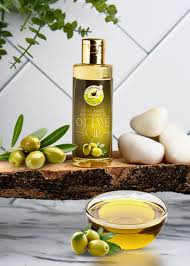
Olive Oil vs Other Indian Cooking Oils
| Feature | Olive Oil | Mustard Oil | Sunflower Oil | Coconut Oil |
|---|---|---|---|---|
| Smoke Point | ~190°C | ~250°C | ~230°C | ~175°C |
| Best Use | Low heat | Frying | Medium heat | Medium heat |
| Fat Profile | MUFA | MUFA/PUFA | PUFA | Saturated |
| Antioxidants | High | Medium | Low | Medium |
Conclusion: Use Olive Oil Smartly, Not Excessively
There is no doubt that olive oil is one of the healthiest fats, but only when used in moderation and in the right way. Overuse can lead to unnecessary calorie intake, negate its health benefits, and even pose dangers when cooked at high heat.
Remember: A teaspoon too much can turn a health food into a weight trap.
Use it mindfully, pair it with a balanced diet, and make sure you’re storing and cooking it correctly for maximum health and taste benefits.
Frequently Asked Questions (FAQs)
❓ Is it OK to consume olive oil daily?
Yes, up to 1–2 teaspoons daily is generally safe and beneficial.
❓ Can I fry food with olive oil?
Light sautéing is fine, but deep frying is not recommended due to the low smoke point.
❓ Which is better – olive oil or ghee?
Both have different benefits. Olive oil is better for heart health; ghee is better for high-heat cooking in Indian recipes.
❓ How to choose the best olive oil in India?
Look for cold-pressed, extra virgin varieties from trusted brands like Borges, Figaro EVOO, and DiSano.