International Women’s Day (IWD) is an important occasion to highlight the health concerns of women worldwide. While discussions often center around gender equality, reproductive rights, and women’s empowerment, it is also essential to focus on women’s health and well-being.
A recent study by Redcliffe Labs has revealed that three out of five Indian women are at risk of anaemia, a condition that affects their energy levels, overall health, and quality of life.
Anaemia is caused by a deficiency of red blood cells or haemoglobin, leading to fatigue, dizziness, and weakness. The primary causes include iron deficiency, vitamin B12 or folate deficiency, chronic diseases, and genetic disorders.

The study also highlighted an alarming rise in other lifestyle diseases, such as thyroid disorders, diabetes, arthritis, and lipid abnormalities, affecting women’s overall health.
On this International Women’s Day 2025, let’s raise awareness about anaemia in women, its causes, symptoms, and effective ways to manage it.
Understanding Anaemia: Causes and Symptoms
Anaemia can have several causes, each leading to different health challenges. Understanding the root causes can help in managing the condition effectively.
Causes of Anaemia in Women
- Iron Deficiency: The most common cause of anaemia, especially among women of reproductive age, due to blood loss during menstruation.
- Vitamin B12 Deficiency: Essential for red blood cell production, its deficiency can lead to pernicious anaemia.
- Folate (Vitamin B9) Deficiency: Important for DNA synthesis and red blood cell formation.
- Chronic Diseases: Conditions like kidney disease, cancer, and autoimmune disorders can impair red blood cell production.
- Pregnancy-Related Anaemia: Increased blood volume during pregnancy requires higher levels of iron and vitamins.
- Genetic Disorders: Conditions like thalassemia and sickle cell anaemia affect the production and lifespan of red blood cells.
Common Symptoms of Anaemia
- Persistent fatigue and weakness
- Dizziness and lightheadedness
- Shortness of breath
- Pale skin and brittle nails
- Cold hands and feet
- Rapid or irregular heartbeat
- Difficulty concentrating and memory problems
How to Manage and Prevent Anaemia in Women
Managing anaemia requires a combination of dietary changes, supplementation, and lifestyle modifications. Below are some effective strategies to prevent and combat anaemia in women.
1. Increase Iron Intake Through Diet
Iron is crucial for haemoglobin production, which carries oxygen throughout the body. There are two types of dietary iron:
- Heme Iron: Found in animal sources such as red meat, poultry, and fish, which is easily absorbed by the body.
- Non-Heme Iron: Found in plant-based foods like lentils, spinach, beans, tofu, and fortified cereals, which should be consumed with vitamin C to improve absorption.
2. Take Iron Supplements if Necessary
In cases of severe iron deficiency, diet alone may not be sufficient. Doctors may recommend iron supplements, but it’s essential to:
- Take supplements on an empty stomach with vitamin C (like orange juice) for better absorption.
- Avoid tea, coffee, dairy, and calcium-rich foods while taking iron supplements, as they hinder absorption.
3. Incorporate Vitamin B12-Rich Foods
Vitamin B12 is necessary for red blood cell formation, and its deficiency leads to pernicious anaemia. To ensure sufficient intake, consume:
- Eggs, dairy, meat, poultry, and fish (for non-vegetarians).
- Fortified cereals and plant-based dairy alternatives (for vegetarians).
4. Boost Folate Intake for Red Blood Cell Production
Folate, or vitamin B9, helps in DNA synthesis and red blood cell production. A deficiency can lead to megaloblastic anaemia. Include:
- Leafy greens (spinach, kale), legumes (lentils, chickpeas), avocados, citrus fruits, and fortified grains in your diet.
5. Enhance Iron Absorption with Vitamin C
Vitamin C helps convert non-heme iron into a more absorbable form. To improve iron absorption, pair iron-rich meals with:
- Oranges, strawberries, guava, kiwi, bell peppers, and tomatoes.
6. Avoid Iron Inhibitors in Your Diet
Certain foods and drinks can block iron absorption, leading to deficiencies. To ensure optimal iron absorption:
- Limit tea and coffee consumption, especially around meals.
- Avoid high-calcium foods (milk, cheese) with iron-rich meals.
- Reduce high-fiber foods and soy-based proteins during iron supplementation.
7. Support Gut Health with Probiotics
A healthy gut helps absorb essential nutrients, including iron, folate, and vitamin B12. Incorporate probiotics like:
- Yogurt, kefir, kimchi, sauerkraut, and other fermented foods to maintain a balanced gut microbiome.
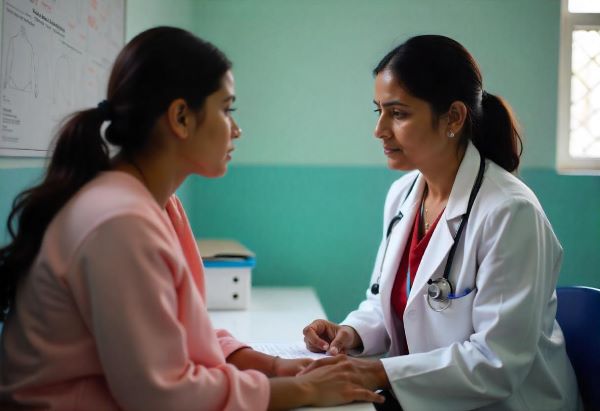
8. Regular Health Check-Ups & Blood Tests
Women should undergo regular health screenings to detect anaemia early. Blood tests like haemoglobin levels, ferritin levels, and vitamin B12 tests can help in early diagnosis and treatment.
Why Anaemia in Women Needs Immediate Attention
Anaemia can significantly impact women’s daily life, productivity, and overall well-being. Severe cases can lead to complications like:
- Increased risk during pregnancy, leading to preterm birth or low birth weight.
- Compromised immune function, making women more prone to infections.
- Cognitive and developmental issues, especially in adolescent girls.
- Higher risk of heart problems, as the heart works harder to supply oxygen to tissues.
By addressing anaemia through nutritional improvements, supplementation, and lifestyle changes, women can lead healthier, more energetic lives.
Final Thoughts: Prioritizing Women’s Health on International Women’s Day 2025
This International Women’s Day 2025, let’s take a step towards better health and wellness for women. Anaemia is a widespread yet preventable condition that affects millions of women in India.
Raising awareness, making dietary adjustments, and seeking timely medical advice can help manage and prevent this condition effectively.
Encouraging women to adopt a balanced diet, regular check-ups, and a healthy lifestyle can significantly reduce anaemia risks and improve overall health. Let’s empower women with the knowledge and resources to live a healthier and happier life.