
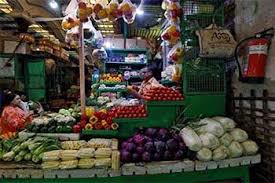
Introduction: India’s Food Waste Crisis
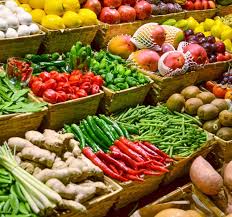
India, the world’s second-largest producer of fruits and vegetables, is ironically losing over ₹1.52 lakh crore worth of produce to rot every year. According to a recent NABCONS (NABARD Consultancy Services) study commissioned by the Government of India, the country wastes 73.6 lakh tonnes of fruits and 1.2 crore tonnes of vegetables annually.
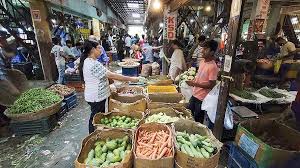
This staggering loss reflects a larger crisis in India’s agricultural ecosystem—one that disproportionately impacts small and marginal farmers, wastes precious natural resources, and urgently calls for policy reforms, particularly extending Minimum Support Price (MSP) to fruits and vegetables.
Table of Contents:
- Understanding the Magnitude of the Loss
- How Post-Harvest Losses Hurt India’s Economy
- Why Small and Marginal Farmers Suffer the Most
- The Case for MSP on Fruits and Vegetables
- Challenges in Extending MSP to Perishables
- How Food Processing Can Mitigate Losses
- The Role of Farmer Producer Organizations (FPOs)
- Global Examples: What India Can Learn
- Policy Recommendations to Prevent Wastage
- Conclusion: A Path Toward Resilient Agriculture
1. Understanding the Magnitude of the Loss {#1}
Fruit and Vegetable Wastage in India
- Fruits wasted annually: 73.6 lakh tonnes
- Vegetables wasted annually: 1.2 crore tonnes
- Total value lost: Over ₹1.52 lakh crore
- Percentage of produce wasted:
- Fruits: 6–15%
- Vegetables: 5–12%
This food wastage represents nearly 3.7% of India’s total agricultural GDP. It highlights the disconnect between production and market mechanisms, especially for perishable items.
2. How Post-Harvest Losses Hurt India’s Economy {#2}
Direct Economic Impact
- ₹1.52 lakh crore equals a significant chunk of India’s farm economy.
- Losses translate to wasted investment in:
- Seeds
- Fertilizers
- Water
- Electricity
- Labour
Loss of National Resources
- Wastage = wastage of water, soil nutrients, and fuel.
- Adds stress to:
- Water scarcity
- Power grids
- Cold storage systems (lack thereof)
3. Why Small and Marginal Farmers Suffer the Most {#3}
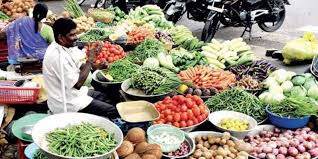
India has over 12.5 crore small and marginal farmers, many of whom grow perishables like fruits and vegetables. These farmers lack:
- Cold storage access
- Efficient supply chain linkages
- Bargaining power in mandis
- Access to agri-markets beyond 10-15 km
Ground Reality
- If they can’t sell on harvest day, produce rots.
- They’re forced into distress sales, often below cost of production.
4. The Case for MSP on Fruits and Vegetables {#4}
What is MSP?
Minimum Support Price (MSP) is a government-fixed price at which it purchases crops directly from farmers to ensure income security.
Currently, MSP is applicable to 23 crops, but not to fruits and vegetables.
Why Extend MSP to Perishables?
- Ensures price stability for farmers.
- Encourages investment in horticulture.
- Reduces wastage due to market volatility.
- Enhances food security and nutrition diversity.
5. Challenges in Extending MSP to Perishables {#5}
Logistical Challenges
- Fruits and vegetables are highly perishable.
- Difficult to procure, store, and distribute without cold chain infrastructure.
Market Risks
- Price distortions may arise.
- Risk of market glut or overproduction.
Government Procurement Limitations
- The government already struggles to handle procurement for wheat and rice.
- Expanding to perishable commodities would require huge infrastructure investment.
6. How Food Processing Can Mitigate Losses {#6}
Current State of Food Processing in India
- Only 2% of fruits and vegetables are processed in India.
- Countries like the USA process over 60% of their horticulture output.
Benefits of Processing
- Extends shelf life.
- Reduces post-harvest loss.
- Generates value-added products like:
- Juices
- Pickles
- Jams
- Frozen produce
Job Creation
- Processing plants can create millions of rural jobs.
- Empowers women through agro-based employment.
7. The Role of Farmer Producer Organizations (FPOs) {#7}
What Are FPOs?
- Collectives of farmers that help with:
- Input procurement
- Market linkage
- Processing and storage
How FPOs Can Help
- Pool resources to build cold storage units.
- Facilitate direct market access.
- Enhance bargaining power and reduce middlemen exploitation.
8. Global Examples: What India Can Learn {#8}
Brazil
- MSP is extended to small farmers producing fruits and vegetables.
- Government ensures institutional buying for schools, hospitals.
China
- Massive investment in agri-cold chains.
- Strong policy support for horticulture exports.
European Union
- Encourages contract farming and crop insurance for perishables.
India can adapt and innovate on these models by using:
- Digital tools
- Blockchain for supply chain tracking
- AI-driven demand forecasting
9. Policy Recommendations to Prevent Wastage {#9}
1. Extend MSP Pilot to Select Fruits and Vegetables
- Begin with high-volume crops: tomatoes, onions, bananas, potatoes.
2. Invest in Rural Cold Chains
- Target government funding toward:
- Mobile cold storage units
- Decentralized chilling plants
3. Encourage Agri-Processing Clusters
- Provide incentives for food parks near farming belts.
4. Promote Cooperative Marketing
- Encourage Amul-like models for horticulture.
5. Build Digital Market Access
- Empower farmers to sell directly via:
- eNAM
- ONDC
- Agri marketplaces
6. Support Through Crop Insurance
- Insure perishable crops against:
- Market price drops
- Weather-related losses
10. Conclusion: A Path Toward Resilient Agriculture {#10}
The loss of ₹1.52 lakh crore worth of fruits and vegetables annually is not just an economic tragedy—it’s a human, environmental, and ethical failure. Extending Minimum Support Price (MSP) to horticultural produce, investing in cold chain logistics, and empowering FPOs and processing units are no longer optional—they are essential.
To transform agriculture into a sustainable, income-secure, and globally competitive sector, India must prioritize value preservation over sheer volume production. The farmers who feed the nation deserve dignity, fair prices, and institutional support to prevent their sweat and toil from literally rotting away.