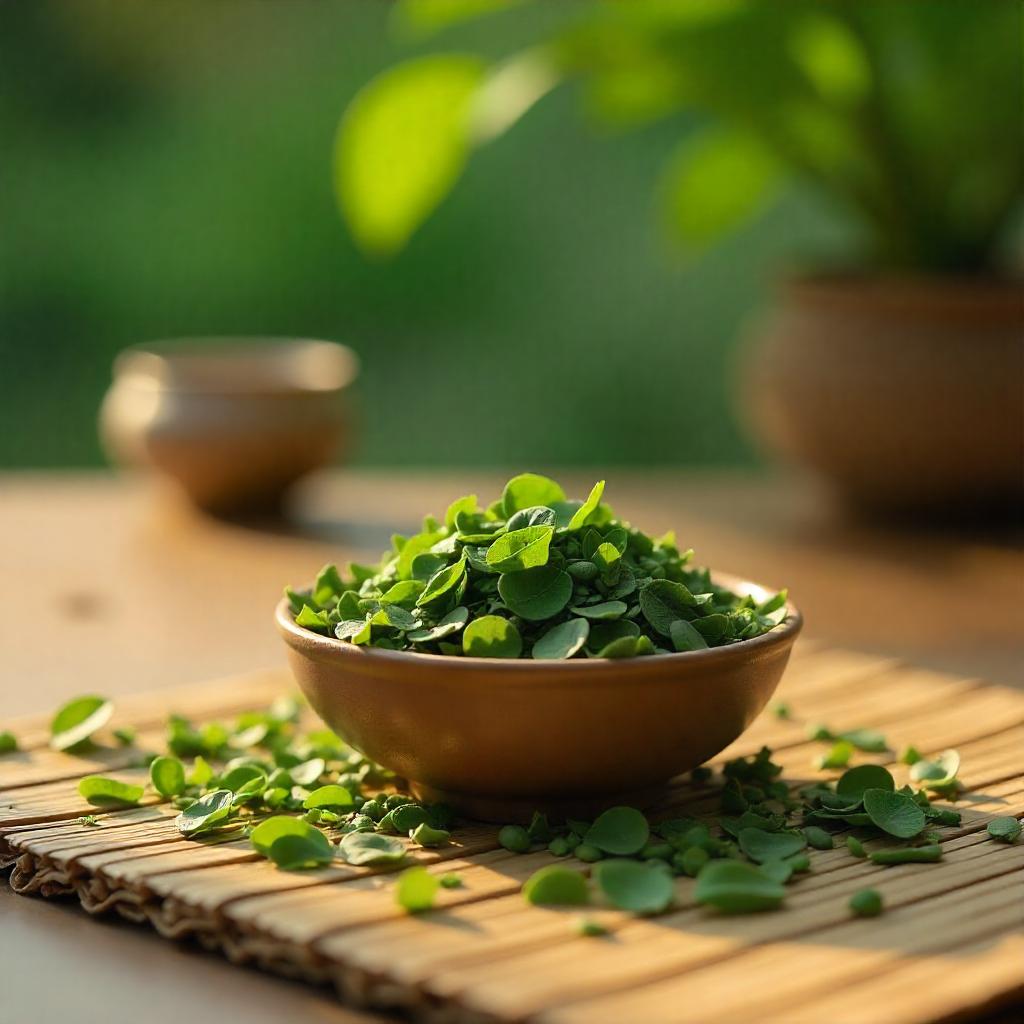
Green tea, rich in antioxidants and natural compounds, has gained immense popularity across the globe for its potential health benefits. From supporting weight loss to reducing stress levels, this ancient beverage is more than just a soothing drink—it’s a powerful elixir for modern health challenges. In this article, we explore the top benefits of green tea, its various forms, and how incorporating green tea into your daily routine can boost your overall well-being.
What Is Green Tea?
Green tea, derived from the leaves of the Camellia sinensis plant, undergoes minimal oxidation during processing, retaining its high concentration of natural antioxidants known as catechins. Unlike black tea or oolong tea, green tea is known for its delicate flavor and high polyphenol content, making it a favorite among health-conscious individuals.
Types of Green Tea Available in the Market
There are several types of green tea available, each with unique flavor profiles and health properties:
Matcha (powdered form, rich in nutrients)
Sencha (common Japanese green tea)
Gyokuro (premium shade-grown variety)
Bancha (lower-grade, mild flavor)
Hojicha (roasted green tea with a nutty taste)
Top Health Benefits of Green Tea
1. Rich Source of Antioxidants
Green tea is packed with antioxidants, particularly epigallocatechin gallate (EGCG), which help fight free radicals and protect the body from oxidative stress.
Slows down aging process
Reduces cell damage
Supports immune function
2. Improves Brain Function and Memory
Thanks to its moderate caffeine content and L-theanine, green tea enhances brain function without causing jitteriness.
Boosts focus and alertness
Enhances memory retention
Reduces mental fatigue
Green tea for memory is increasingly being studied as a natural cognitive booster.
3. Reduces Stress and Anxiety
Drinking green tea regularly has been linked to reduced anxiety levels due to its calming compounds.
Helps relax the mind
Balances mood swings
Aids in better sleep patterns
4. Supports Heart Health
Green tea may help lower high blood pressure and cholesterol levels, reducing the risk of heart diseases.
Lowers LDL (bad cholesterol)
Increases HDL (good cholesterol)
Promotes healthy blood vessels
5. Aids in Weight Loss
Green tea boosts the metabolic rate and enhances fat burning, especially during exercise.
Promotes fat oxidation
Improves digestion
Supports long-term weight management
Many fitness experts recommend green tea for weight loss as a natural fat burner.
6. Controls Blood Sugar Levels
Green tea helps regulate blood glucose levels, making it beneficial for diabetic patients.
Reduces insulin resistance
Prevents sudden sugar spikes
Supports metabolic health
7. Promotes Skin Health
Green tea has anti-inflammatory and antibacterial properties that benefit the skin.
Reduces acne and blemishes
Slows signs of aging
Protects against sun damage
Green tea for skin is commonly used in cosmetic and skincare products.
How to Include Green Tea in Your Daily Routine
You can enjoy green tea in various forms:
Beverages:
Brewed hot or cold green tea
Matcha lattes
Green tea smoothies
Supplements:
Green tea extract capsules
Powdered green tea added to shakes
Topical Use:
Green tea face masks
Anti-aging creams with green tea extract
Experts suggest drinking 2–3 cups daily to enjoy maximum green tea health benefits.
Possible Side Effects of Green Tea
Though green tea is generally safe, excessive intake may lead to:
Caffeine sensitivity (jitters or insomnia)
Iron absorption issues
Stomach discomfort in some individuals
Tip: Always drink green tea between meals to reduce any impact on iron absorption.
Scientific Studies Backing Green Tea’s Benefits
Numerous studies support the claims regarding green tea:
A Harvard Medical School review confirmed green tea reduces heart disease risk.
A study in the American Journal of Clinical Nutrition showed increased fat oxidation.
Japanese researchers found green tea lowers stress hormone cortisol.
These findings reinforce the role of green tea in health and wellness.
Final Thoughts: Should You Add Green Tea to Your Diet?
Yes! The health benefits of green tea are backed by centuries of traditional use and modern science. Whether you’re trying to lose weight, improve your focus, reduce stress, or enhance heart health, a cup of green tea could be your simple, daily dose of wellness.
Nutritional Value of Green Tea: A Closer Look at Its Mineral and Antioxidant Power
Green tea has gained global popularity not only as a calming and refreshing beverage but also as a natural health booster. While it’s low in calories, the nutritional value of green tea lies in its rich antioxidant content and trace minerals. Many people drink green tea for weight loss, better heart health, or improved digestion, but few know about the micro-nutrients hidden in every cup.
Let’s dive deep into the nutritional composition of green tea, focusing on its antioxidants, minerals, and how it contributes to daily wellness.
Green Tea: A Low-Calorie, High-Potency Beverage
Green tea is virtually calorie-free. A typical cup contains:
Calories: 2–3 kcal per 240 ml (8 oz)
Fat: 0g
Carbohydrates: 0g
Sugar: 0g
Protein: 0g
Despite its low-calorie nature, the real power of green tea lies in its antioxidants and micronutrients.
Rich in Antioxidants: The Real Strength of Green Tea
The primary nutritional value of green tea comes from its powerful antioxidant content. These compounds protect the body from free radical damage, which is linked to aging and disease.
Key Antioxidants in Green Tea:
Catechins (EGCG): The most abundant and powerful antioxidant, known for reducing inflammation and preventing cell damage.
Polyphenols: Help fight chronic diseases and improve digestion.
Flavonoids: Support immune function and reduce oxidative stress.
Green tea antioxidants play a crucial role in cancer prevention, heart health, and brain protection.
Trace Minerals Found in Green Tea
Green tea contains small amounts of 27 minerals, which, although not significant per cup, can contribute meaningfully with consistent intake.
Important Trace Minerals in Green Tea:
Manganese: Supports metabolism and bone health.
Potassium: Helps regulate blood pressure and fluid balance.
Magnesium: Essential for muscle and nerve function.
Calcium: Crucial for bone strength.
Zinc: Boosts immune function.
Fluoride: Supports dental health.
Iron: Important for oxygen transport in the body.
Copper: Aids in iron absorption and energy production.
Drinking 3–4 cups of green tea a day may help supplement your daily mineral intake naturally.
Vitamins Present in Green Tea (in Small Amounts)
Though not a major source, green tea provides small amounts of several B-complex vitamins and vitamin C, which support overall health.
Vitamins in Green Tea:
Vitamin B1 (Thiamine): Supports energy metabolism.
Vitamin B2 (Riboflavin): Helps with growth and red blood cell production.
Vitamin B3 (Niacin): Supports digestive health and skin.
Vitamin B6: Important for brain function.
Vitamin C: Provides antioxidant protection and boosts immunity (more in fresh leaves than brewed tea).
These nutrients work together with green tea’s other compounds to enhance its health-boosting profile.
Green Tea Extracts: A More Concentrated Nutrient Source
Green tea is also available in the form of:
Capsules
Powdered Matcha
Liquid extracts
These are more concentrated sources of green tea nutrients, especially EGCG and L-theanine, but should be taken under guidance to avoid overdose.
Final Thoughts: Is Green Tea Nutrient-Rich Enough?
While not a significant source of macronutrients, green tea’s nutritional value lies in its antioxidants, minerals, and bioactive compounds. Drinking multiple cups per day can meaningfully support:
Risks of Consuming Green Tea: Side Effects and Safe Limits You Need to Know
Green tea is globally hailed for its numerous health benefits, from weight loss and heart health to improved brain function and glowing skin. However, while the benefits of green tea are well documented, not many people are aware that excessive intake can lead to certain health risks. Just like any other natural remedy, moderation is key.
This article highlights the side effects of green tea, its safe caffeine limit, potential drug interactions, and how to consume it wisely for optimal health.
How Much Green Tea Is Safe to Drink?
According to health experts and researchers, consuming up to 8 cups of green tea daily is considered safe for most healthy adults.
✅ One 8-ounce cup contains 30–50 mg of caffeine, depending on the variety and brewing time.
✅ Staying within 400 mg of caffeine per day is generally recommended.
Green tea caffeine content is lower than coffee, but overconsumption can still cause issues.
Common Risks and Side Effects of Green Tea
While green tea offers many wellness benefits, excessive consumption or sensitivity to its compounds can lead to the following side effects.
1. Caffeine-Related Side Effects
Even though green tea contains less caffeine than coffee, consuming several cups a day may lead to caffeine overload in sensitive individuals.
Potential issues include:
Insomnia or poor sleep
Headache
Nervousness or anxiety
Rapid heart rate
Upset stomach
Tip: Avoid green tea in the late evening to prevent sleep disruption.
2. Iron Absorption Interference
One of the lesser-known green tea risks is its impact on iron absorption from plant-based foods.
Green tea contains tannins, which can inhibit non-heme (plant-based) iron absorption.
People with anemia or low iron levels should avoid drinking green tea with meals.
Drink green tea between meals to minimize this risk.
3. Liver Toxicity from Green Tea Extracts
While brewed green tea is safe, green tea extract supplements in high doses have been linked to liver toxicity.
Excessive intake of green tea extract may lead to elevated liver enzymes.
Individuals with liver disorders should avoid concentrated forms of green tea.
Always consult a healthcare provider before taking green tea supplements.
4. Potential Interaction with Medications
Green tea may interact with certain prescription drugs, reducing their effectiveness or causing side effects.
Possible interactions:
Blood thinners (e.g., warfarin) – may affect clotting due to green tea’s vitamin K content.
Beta-blockers – caffeine in green tea may interfere with heart medication.
Antidepressants – caffeine may increase side effects.
If you’re on medication, consult your doctor before adding green tea to your routine.
5. Stomach Irritation and Acid Reflux
Some individuals may experience gastric issues after drinking green tea, especially on an empty stomach.
Tannins can increase stomach acid production, causing acid reflux or nausea.
Green tea may aggravate gastritis or ulcers in sensitive individuals.
Drink green tea after meals to reduce digestive discomfort.
Who Should Limit or Avoid Green Tea?
Although green tea is generally safe, the following groups should exercise caution:
Pregnant or breastfeeding women: Limit intake due to caffeine and potential folate interference.
Individuals with anxiety disorders: Caffeine may worsen symptoms.
People with iron-deficiency anemia: Avoid during meals to protect iron absorption.
Children: Should avoid caffeine-containing beverages, including green tea.
For these groups, decaffeinated green tea or herbal alternatives may be safer.
When Is the Best Time to Drink Green Tea? Benefits, Timing, and Precautions
Green tea has become a popular beverage across the world for its potential health benefits. From weight loss to heart health, this herbal drink is known to be a powerhouse of antioxidants and bioactive compounds. But one common question remains: When is the best time to drink green tea?
Let’s explore the ideal time to drink green tea, its health benefits, the types of green tea, and precautions you should take if you’re planning to make it a part of your daily routine.
☀️ Best Time to Drink Green Tea: Morning or Evening?
One of the most frequently asked questions is whether green tea is best consumed in the morning, afternoon, or evening. The answer depends on your health goals and lifestyle.
🕗 Morning: For an Energy Boost
Green tea contains caffeine, although in smaller quantities than coffee.
Drinking green tea in the morning can provide a gentle energy boost.
It enhances alertness and concentration due to the combination of caffeine and L-theanine.
SEO Keywords: green tea in the morning, energy boost, caffeine in green tea
☕ Between Meals: For Better Nutrient Absorption
Drinking green tea between meals can improve digestion and enhance fat-burning.
Avoid drinking green tea immediately after meals, as it can hinder the absorption of iron and other minerals.
SEO Keywords: green tea digestion, drink green tea after meals, green tea fat burning
🌙 Evening: Not Recommended Close to Bedtime
Green tea contains caffeine, which can disrupt sleep patterns.
It’s best to avoid green tea at night, especially if you’re sensitive to caffeine.
Caffeine stays in the body for up to 6 hours, so drink your last cup by early evening.
SEO Keywords: green tea before bed, green tea and sleep, green tea caffeine timing
🌿 Health Benefits of Drinking Green Tea
Drinking green tea regularly may provide a wide range of health benefits, making it a staple in wellness routines.
🧠 Boosts Brain Function
Green tea improves cognitive function due to L-theanine and caffeine.
It enhances memory, focus, and reaction time.
❤️ Supports Heart Health
Rich in antioxidants, green tea helps reduce bad cholesterol.
It may improve blood circulation and reduce the risk of heart diseases.
⚖️ Aids in Weight Management
Green tea is well-known for promoting fat burning and boosting metabolism.
Catechins in green tea may help reduce belly fat over time.
🦴 Protects Bone and Joint Health
Regular consumption may improve bone density.
The polyphenols present in green tea support bone strength.
🛡️ Enhances Immunity
Antioxidants in green tea, such as EGCG, help in fighting infections and reducing inflammation.
SEO Keywords: green tea benefits, green tea weight loss, green tea for brain, green tea for heart
🍵 Types of Green Tea and Their Caffeine Content
There are several types of green tea, each offering different levels of caffeine and health properties.
🍃 Sencha
One of the most common types, especially in Japan.
Moderate in caffeine and rich in antioxidants.
🍵 Matcha
A powdered form of green tea with the highest caffeine content.
Contains more antioxidants due to the consumption of the entire leaf.
🍂 Bancha
A more mature form of sencha, with lower caffeine content.
Ideal for those with caffeine sensitivity.
SEO Keywords: types of green tea, matcha caffeine, sencha benefits, bancha vs sencha
⚠️ Side Effects and Precautions
While green tea is generally safe, excessive consumption or drinking it at the wrong time can lead to side effects.
❌ Avoid Too Much Caffeine
Consuming more than 4-5 cups a day may cause nervousness, insomnia, or increased heart rate.
💊 Interaction with Medications
Green tea may interact with blood thinners, stimulant drugs, or medications for high blood pressure.
Always consult your doctor or dietitian before adding green tea supplements to your routine.
👶 Not Suitable for Everyone
Pregnant or breastfeeding women should limit intake.
Individuals with anemia, anxiety disorders, or caffeine sensitivity should proceed with caution.
SEO Keywords: green tea side effects, green tea medication interaction, is green tea safe
✅ How to Drink Green Tea for Maximum Benefits
Follow these tips to get the most out of your green tea:
Don’t drink it on an empty stomach – it may cause stomach discomfort.
Steep for 2-3 minutes only – over-steeping can make it bitter and reduce nutrient availability.
Opt for organic green tea to avoid pesticides or additives.
Avoid adding sugar or artificial sweeteners.
📝 Conclusion
So, when is the best time to drink green tea? The answer depends on your health needs:
Morning: For mental alertness
Between meals: For digestion and fat burning
Early evening: For calmness without disturbing sleep
Green tea is more than just a healthy beverage — it’s a natural remedy packed with benefits for the brain, heart, weight, and overall wellness. However, timing, quantity, and quality matter.
If you’re unsure whether green tea is right for you, especially if you’re on medication or have health issues, consult a healthcare provider or dietitian before regular consumption.