
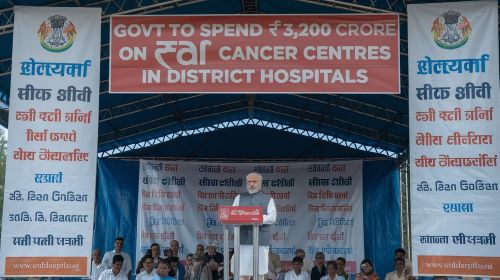
The Ministry of Health and Family Welfare has announced a major healthcare initiative aimed at improving cancer treatment across India. An estimated expenditure of ₹3,200 crore has been allocated to establish Day-Care Cancer Centres (DCCCs) in over 740 district hospitals within the next three years.
The initiative aims to enhance cancer care accessibility in rural areas, reduce the burden on major cancer hospitals, and ensure better treatment facilities for patients.
₹3,200 Crore for Day-Care Cancer Centres (DCCCs)
To strengthen India’s healthcare infrastructure, the government will set up 200 cancer care centres in 2025-26 as part of the project.
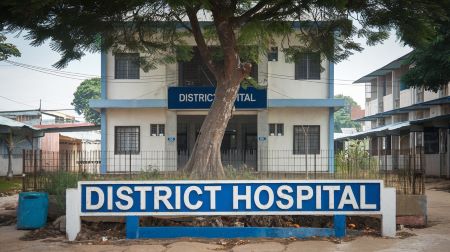
These district-level cancer centres will provide early detection, diagnosis, and treatment facilities for cancer patients, making healthcare more accessible.
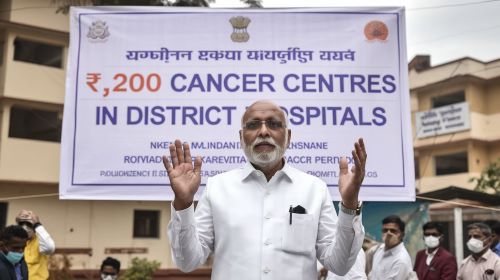
Health Secretary Punya Salila Srivastava stated that the ministry has already started a nationwide survey of district hospitals to assess infrastructure gaps and plan the implementation accordingly.
Key Highlights of the Initiative:
✔ Allocation of ₹3,200 crore to boost cancer care in district hospitals.
✔ Establishment of 740+ Day-Care Cancer Centres (DCCCs) within three years.
✔ 200 centres to be launched in 2025-26 as the first phase.
✔ Focus on early detection, chemotherapy, and palliative care.
✔ Reduce the burden on tertiary cancer hospitals by handling less complex cases locally.
Why is This Initiative Important?
Cancer is one of the leading causes of death in India. The lack of accessible treatment facilities in rural areas forces patients to travel long distances for treatment. The new cancer care centres aim to bridge this gap by offering treatment closer to home.
Major Benefits of Cancer Care Centres in District Hospitals:
✅ Better Access to Cancer Treatment – Patients from rural areas can receive timely treatment without traveling long distances.
✅ Early Detection & Diagnosis – District hospitals will have advanced screening tools, increasing early detection rates.
✅ Reduced Burden on Big Hospitals – Tertiary cancer hospitals can focus on complex cases while routine treatments happen at district centres.
✅ Affordable & Quality Cancer Care – Government-funded centres will make treatment more affordable for economically weaker sections.
Current Challenges in Cancer Treatment in India
Cancer treatment in India faces multiple challenges, including:
🔸 Limited Availability of Oncology Centres – Most advanced cancer hospitals are concentrated in metro cities.
🔸 High Treatment Costs – Private hospitals charge a hefty amount, making treatment unaffordable for many.
🔸 Late Diagnosis – Many patients seek treatment at advanced stages due to lack of awareness and screening.
🔸 Overcrowding in Cancer Hospitals – Leading cancer institutes struggle with patient overload.
The establishment of district-level Day-Care Cancer Centres aims to tackle these issues and ensure comprehensive cancer care across India.
How Will These Centres Function?
The Day-Care Cancer Centres (DCCCs) will be equipped with:
✔ Chemotherapy Units – Providing chemotherapy sessions without hospitalization.
✔ Diagnostic & Screening Facilities – Early detection through advanced medical tests.
✔ Palliative Care & Counselling – Support services for terminally ill cancer patients.
✔ Trained Oncology Staff – Skilled doctors and nurses to provide specialized care.
These centres will be linked to tertiary care hospitals, ensuring that patients requiring advanced treatment are referred to specialized institutes.
Government’s Commitment to Cancer Care
The Indian government has been working on multiple initiatives to improve cancer treatment. Some of the recent efforts include:
🔹 National Cancer Grid (NCG) – A network of cancer centres ensuring uniform treatment protocols.
🔹 Ayushman Bharat Scheme – Providing financial assistance for cancer treatment to underprivileged patients.
🔹 Tobacco Control Programs – Addressing one of the leading causes of cancer in India.
🔹 Expansion of AIIMS & Regional Cancer Centres – Strengthening healthcare infrastructure.
The ₹3,200 crore investment in district-level cancer care is another major step towards affordable and accessible cancer treatment in India.
Conclusion
The government’s decision to establish 740+ Day-Care Cancer Centres (DCCCs) in district hospitals is a game-changer for India’s healthcare system. With an investment of ₹3,200 crore, the initiative will help in early diagnosis, better treatment, and reducing the load on major hospitals.
This move will benefit millions of cancer patients, especially in rural areas, and marks a significant milestone in India’s fight against cancer.