
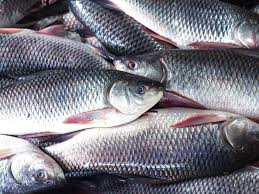
Discover the Health Power of a Strong-Smelling Sea Fish Often Ignored in Indian Kitchens

In the world of superfoods and exotic diets, one cheap, strong-smelling fish is gaining attention for its surprising medicinal benefits. Known for its intense aroma and low cost, this oily sea fish is proving to be a powerhouse of health benefits—especially when it comes to managing diabetes, stabilising blood pressure, and reducing cholesterol levels.
Let’s uncover how this often-overlooked fish may be the natural remedy for chronic conditions like type 2 diabetes, high cholesterol, and hypertension, and why it deserves a permanent place in your diet.
What Is This Smelly Sea Fish?
The fish in question is none other than mackerel (locally called Bangda in India). While some may shy away from its pungent aroma, nutritionists and medical researchers are increasingly recommending it for its omega-3 fatty acids, high-quality protein, and anti-inflammatory properties.
Key Highlights:
- Mackerel (Bangda) is an affordable, oily fish rich in essential nutrients.
- It is packed with omega-3 fatty acids, vitamin D, B12, and selenium.
- Regular consumption can help in blood sugar control, lowering LDL cholesterol, and improving heart health.
- Mackerel is especially beneficial for those with type 2 diabetes, high cholesterol, and hypertension.
Nutritional Profile of Mackerel
| Nutrient | Amount (per 100g) |
|---|---|
| Protein | 20g |
| Omega-3 fatty acids | 2.5g |
| Vitamin D | 13 mcg (65% DV) |
| Vitamin B12 | 12 mcg (500% DV) |
| Selenium | 40 mcg (57% DV) |
This nutrient-dense fish not only fuels the body but also helps in hormone regulation, cell repair, and metabolic function.
1. Mackerel for Diabetes Management
How It Helps:
- Omega-3 fatty acids in mackerel help improve insulin sensitivity.
- Reduces inflammation, a common issue in type 2 diabetes.
- High protein content promotes satiety, preventing blood sugar spikes.
Supporting Evidence:
A study published in the American Journal of Clinical Nutrition revealed that regular fish consumption reduced the risk of developing type 2 diabetes by 30%. Mackerel, due to its rich nutrient profile, showed the strongest results.
2. Mackerel for Lowering Cholesterol
Cholesterol Facts:
- LDL (bad cholesterol) is a major contributor to heart disease.
- Mackerel helps in increasing HDL (good cholesterol) while lowering LDL.
Mechanism:
- The unsaturated fats in mackerel dissolve LDL plaque buildup in arteries.
- Niacin (Vitamin B3) and selenium in mackerel improve lipid profiles.
Result:
- A healthier heart.
- Lower chances of stroke and atherosclerosis.
3. Blood Pressure Control With Mackerel
Blood Pressure Benefits:
- Rich in potassium and magnesium, mackerel helps in relaxing blood vessels.
- Omega-3 fats reduce vascular inflammation.
- Lowers systolic and diastolic pressure naturally.
Expert Insight:
Cardiologists recommend consuming fatty fish like mackerel twice a week to maintain optimal blood pressure without heavy medication reliance.
4. Other Medicinal Benefits of Mackerel
- Boosts brain health: Omega-3 supports cognitive functions and may prevent dementia.
- Strengthens bones: High Vitamin D content improves calcium absorption.
- Improves immunity: Antioxidants like selenium fight oxidative stress.
- Fights anemia: High levels of iron and B12 enhance red blood cell production.
- Reduces joint pain: Anti-inflammatory properties benefit arthritis patients.
How to Include Mackerel in Your Diet
Cooking Tips:
- Grill or bake for best results.
- Pair with lemon and garlic to balance the strong aroma.
- Avoid deep-frying to retain nutrients.
Recipe Ideas:
- Grilled Mackerel with Lemon Pepper
- Mackerel Curry in Coconut Milk
- Mackerel Fish Tikka
- Mackerel Salad with Avocado and Greens
Who Should Avoid It?
While mackerel is generally safe, certain people should be cautious:
- Pregnant women should limit intake due to potential mercury content.
- Individuals allergic to seafood must avoid it.
- Always ensure freshness and proper cooking to avoid infections.
Is Mackerel Better Than Supplements?
Yes! Whole fish like mackerel offer a natural and complete nutrient package that supplements can’t always match. They also contain co-factors that help in the absorption and utilization of vitamins and minerals.
Environmental and Cost Advantage
Unlike expensive fish like salmon or cod, mackerel is locally available and budget-friendly. Also, mackerel fishing has lower environmental impact, making it a sustainable choice.
Final Verdict: Why You Should Add Mackerel to Your Weekly Menu
- Affordable and nutrient-rich superfood.
- Helps in managing diabetes, controlling cholesterol, and maintaining heart health.
- Offers multiple medicinal benefits from bone strength to brain function.
- Simple to cook, delicious to eat, and widely available in India.
Fish Benefits for Health: Best Ways and Right Time to Eat Fish for Maximum Nutrition
Eating Fish the Right Way Can Boost Your Heart, Brain, and Immune Health

In today’s fast-paced world, many people are looking for natural ways to boost their immunity, reduce cholesterol, improve brain function, and manage weight. One of the most nutrient-dense superfoods available is fish. Known for its omega-3 fatty acids, lean protein, vitamins, and minerals, fish offers incredible health benefits—but only when consumed the right way and at the right time.
This article explores the health benefits of eating fish, how to eat fish properly, and the best time to include fish in your diet for maximum results.
Top Highlights:
- Fish is packed with omega-3 fatty acids, vitamin D, B12, iron, and high-quality protein.
- Regular consumption improves heart health, brain function, skin glow, and joint flexibility.
- Eating fish at the right time of day and in the right way boosts its health impact.
- Best to consume fish during lunch or early dinner to enhance digestion and nutrient absorption.
Why Is Fish Good for Your Health?
1. Rich in Essential Nutrients
Fish, especially fatty fish like salmon, sardines, mackerel, and tuna, are loaded with:
- Omega-3 fatty acids (EPA & DHA) for brain and heart health
- Vitamin D for bone strength and immunity
- Vitamin B12 for nerve function and red blood cell formation
- Iron, selenium, and zinc for immune defense
- High biological value protein for muscle repair
2. Great for Heart and Brain Health
- Omega-3 reduces triglyceride levels and lowers blood pressure.
- DHA improves memory, focus, and may prevent Alzheimer’s disease.
- Fish reduces the risk of stroke and heart attacks.
3. Supports Healthy Skin and Eyes
- Improves skin hydration, reduces acne, and slows aging.
- Contains retinol and omega-3 that protect eye health.
Health Benefits of Eating Fish Regularly
✅ Controls Diabetes
- Omega-3 improves insulin sensitivity.
- Protein keeps blood sugar levels stable.
✅ Reduces Bad Cholesterol
- Replaces red meat with fish to reduce LDL (bad cholesterol).
- Increases HDL (good cholesterol) naturally.
✅ Boosts Immunity
- Zinc and selenium build a strong immune system.
- Vitamin D reduces risk of autoimmune diseases.
✅ Aids Weight Loss
- Low in calories, high in protein.
- Keeps you full longer, helps reduce belly fat.
The Right Time to Eat Fish: When Is It Best?
⏰ Ideal Time to Eat Fish
1. Lunch (12 PM – 2 PM)
- Best time to digest proteins and omega-3s.
- Increases energy, promotes satiety, and supports metabolism.
2. Early Dinner (6 PM – 8 PM)
- Supports night-time muscle repair.
- Improves sleep quality due to tryptophan in fish.
Avoid eating fish late at night (after 9 PM) as it may lead to bloating and indigestion.
How to Eat Fish the Right Way
✅ Choose the Right Type of Fish
- Fatty fish: Salmon, mackerel, sardines, tuna – rich in omega-3.
- Lean fish: Cod, tilapia, rohu – lower in fat, high in protein.
✅ Prefer Grilled, Baked or Steamed Fish
- Avoid deep frying.
- Use healthy oils like olive or mustard oil.
- Add lemon, turmeric, garlic, or ginger for added benefits.
✅ Combine with Veggies and Whole Grains
- Add leafy greens, brown rice, or whole wheat roti.
- Enhances fiber intake and balances the meal.
✅ Don’t Pair with Milk
- Avoid fish and dairy combination—may cause digestion issues.
Best Fish to Eat for Health
| Fish Name | Benefits |
|---|---|
| Salmon | Rich in omega-3, vitamin D, anti-inflammatory |
| Mackerel (Bangda) | Improves cholesterol, boosts brain health |
| Sardines | High calcium, bone strength |
| Tuna | Lean protein, weight loss |
| Rohu (Indian carp) | Rich in omega-3, affordable option |
| Hilsa (Ilish) | Tasty and packed with healthy fats |
How Often Should You Eat Fish?
- For maximum benefits, consume fish 2 to 3 times a week.
- Rotate between fatty and lean fish to avoid excess mercury intake.
Who Should Be Cautious?
- Pregnant women and children: Limit high-mercury fish like shark and swordfish.
- People with fish allergies should avoid it entirely.
- Always buy fresh fish from reliable sources to prevent contamination.
Myths About Eating Fish
❌ Fish Causes Heat in the Body
➡️ Truth: Fish is high in protein and good fats. When eaten moderately and cooked right, it’s cooling and nourishing.
❌ Fish Should Not Be Eaten During Monsoon
➡️ Truth: Monsoon can affect fish freshness, not its nutrition. Buy from hygienic sources.