
Introduction
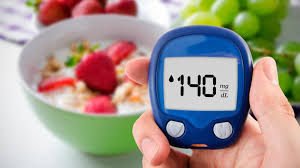
A sweet, juicy fruit on a hot day is one of life’s simple pleasures. But for people living with type 1, type 2, or gestational diabetes, enjoying fruits can feel complicated. The good news is, diabetics can absolutely eat fruits—when chosen wisely and eaten in moderation.
In this article, we’ll explore:
- How fruit affects blood sugar
- The best fruits for diabetics
- Fruits to limit or avoid
- Tips for incorporating fruits into a diabetic diet
- Scientific evidence behind fruit consumption and diabetes management
Let’s dive into how fruits can support a blood sugar–friendly lifestyle.
How Fruit Affects Blood Sugar
Natural Sugar vs. Added Sugar
One of the most common misconceptions is that all sugar is bad. Natural sugars found in fruits come along with:
- Fiber – slows down sugar absorption
- Water – adds bulk and hydration
- Polyphenols – antioxidants that fight inflammation
- Vitamins and minerals – essential for metabolism
Unlike candy or processed food, the sugar in fruits is released slowly, which prevents sudden blood sugar spikes.
Glycemic Index (GI) and Glycemic Load (GL)
Understanding the glycemic index (GI) and glycemic load (GL) helps in choosing fruits that are less likely to cause blood sugar fluctuations.
- Low GI fruits (55 or less) are ideal for people with diabetes
- Moderate GI fruits (56–69) can be eaten in smaller portions
- High GI fruits (70 and above) should be limited
Top 15 Blood Sugar–Friendly Fruits for Diabetics
Here are fruits that are low to moderate on the glycemic index and offer significant health benefits for those with diabetes.
1. Berries (Strawberries, Blueberries, Raspberries)
- GI Score: 25–40
- Rich in antioxidants
- Packed with fiber and vitamin C
- May help improve insulin sensitivity
Tip: Eat a handful of fresh berries as a snack or blend into smoothies without sugar.
2. Apples
- GI Score: 36
- Loaded with soluble fiber (pectin)
- Keeps you full longer
- May help lower LDL cholesterol
Tip: Eat apples with the skin for maximum fiber benefit.
3. Pears
- GI Score: 38
- Excellent source of fiber
- Helps slow carbohydrate digestion
- Rich in vitamin K and copper
Tip: Slice and serve with a tablespoon of peanut butter for a tasty snack.
4. Cherries
- GI Score: 20
- Contain anthocyanins with anti-inflammatory effects
- May help regulate blood sugar levels
5. Peaches
- GI Score: 42
- Rich in potassium and vitamin A
- Low in calories
Tip: Enjoy fresh peaches rather than canned varieties in syrup.
6. Oranges
- GI Score: 40–45
- High in vitamin C
- Contains hesperidin, which may improve blood vessel function
Note: Avoid orange juice, which spikes blood sugar quickly.
7. Grapefruit
- GI Score: 25
- Contains naringenin, an antioxidant
- May help reduce insulin resistance
Caution: Grapefruit may interact with certain medications.
8. Avocados
- GI Score: 15
- Technically a fruit
- High in heart-healthy monounsaturated fats
- Almost no sugar
Tip: Add slices to salads or sandwiches.
9. Kiwifruit
- GI Score: 50
- Packed with vitamin C and fiber
- May help regulate digestion and sugar absorption
10. Plums
- GI Score: 24–53 (depending on ripeness)
- Antioxidant-rich
- Contains sorbitol, a natural sugar alcohol
11. Guava
- GI Score: 31
- Rich in dietary fiber and vitamin C
- May reduce blood sugar levels
12. Apricots
- GI Score: 34
- Excellent source of beta-carotene
- High in potassium and fiber
Tip: Eat fresh or dried (in moderation) without added sugar.
13. Papaya
- GI Score: 60 (medium GI)
- Contains papain, which aids digestion
- High in vitamin A and C
14. Pomegranate Seeds
- GI Score: 35
- Loaded with antioxidants
- Anti-inflammatory properties
Tip: Sprinkle over Greek yogurt or oatmeal.
15. Melons (Cantaloupe, Honeydew, Watermelon)
- GI Score: 65–72 (high GI but low glycemic load)
- Very hydrating
- Rich in lycopene (especially watermelon)
Eat in moderation and pair with protein or fat to reduce glucose spike.
Fruits Diabetics Should Limit or Avoid
While most fruits are safe in moderation, some can cause rapid spikes in blood sugar and should be limited.
High-GI Fruits to Watch
- Bananas (especially overripe)
- Pineapple
- Mango
- Lychee
- Grapes (especially in large amounts)
Tip: Portion control is key. Eating these fruits with protein or healthy fat can reduce their impact on blood sugar.
Dried Fruits
- Raisins, dates, figs, prunes
- Highly concentrated sugar
- Even a small portion can cause a sugar spike
Better Option: Eat whole, fresh fruits instead of dried or canned in syrup.
Scientific Research on Fruit and Diabetes
Meta-Analysis: Fruit and Fasting Blood Sugar
A 2023 meta-analysis published in Frontiers in Endocrinology analyzed 19 randomized controlled trials and found:
- Eating whole fruits significantly reduced fasting blood glucose
- Both fresh and dried fruits (in moderation) were beneficial
- Fruit intake improved HbA1c levels in many participants
Fiber and Insulin Sensitivity
A high-fiber diet is linked to:
- Improved insulin response
- Slower carbohydrate absorption
- Reduced risk of cardiovascular disease, a common diabetes complication
Tips for Incorporating Fruit into a Diabetic Diet
1. Pair Fruits with Protein or Fat
- Apple + almond butter
- Berries + Greek yogurt
- Pear + cheese
- This combination slows down sugar absorption
2. Monitor Portion Sizes
Stick to:
- 1 small fruit
- ½ banana
- ¾ cup berries
- 1 cup melon cubes
3. Avoid Fruit Juices and Smoothies
- Even 100% juice can spike blood sugar
- Whole fruits are always better
- Smoothies should include protein and fiber sources
4. Track Blood Sugar Responses
- Test before and after eating fruit
- Keep a food journal to notice trends
- Use a Continuous Glucose Monitor (CGM) if prescribed
Expert Recommendations
American Diabetes Association (ADA)
The ADA encourages eating whole, unprocessed fruits as part of a balanced diet. They emphasize:
- Eating a variety of fruits
- Prioritizing fiber-rich options
- Limiting fruit juices and dried fruits
Nutritionists Say:
- “Fruit is not the enemy. It’s about portion size and balance,” says dietitian Maya Feller, RD.
- “Aim for low-GI fruits paired with protein or fat,” advises Dr. Vandana Sheth, RDN, CDCES.
Benefits of Fruits for Diabetics
✅ Control blood sugar
✅ Boost antioxidant intake
✅ Improve heart health
✅ Support digestion
✅ Satisfy sweet cravings naturally
Sample Diabetic-Friendly Fruit Meal Plan
| Time | Meal | Fruit Option |
|---|---|---|
| Breakfast | Oatmeal + chia seeds | ½ apple sliced |
| Snack | Handful of nuts | ¾ cup blueberries |
| Lunch | Grilled chicken salad | Slices of avocado |
| Snack | Greek yogurt (unsweetened) | ½ kiwi or ½ peach |
| Dinner | Stir-fried tofu with veggies | Few pomegranate seeds |
Final Thoughts
Living with diabetes doesn’t mean saying goodbye to the joy of eating fruit. When chosen wisely and eaten in the right portions, fruits can support blood sugar balance, offer a wide range of nutrients, and help prevent complications related to diabetes.
Controlling Blood Pressure and Diabetes: Can Fruit Be Part of a Balanced Diet?
🌿 Introduction
When managing diabetes and high blood pressure, the dietary restrictions may feel overwhelming. However, one food group often questioned—but unfairly vilified—is fruit. Can someone with diabetes truly enjoy sweet, juicy fruits? The answer is yes, and even more so—fruits can improve heart health and blood sugar control when consumed mindfully.
In this comprehensive blog post, we’ll explore:
- The relationship between fruit, diabetes, and blood pressure
- Scientific research supporting fruit in diabetic diets
- Best fruits for managing blood sugar and hypertension
- Practical meal planning and tips
- Fruits to eat in moderation
- Myths debunked with evidence
Let’s dive into how fruits can become your natural ally in the fight against diabetes and high blood pressure.
🍎 Can People With Diabetes Eat Fruits?
✅ The Short Answer: Yes
Fruits are minimally processed carbohydrates, loaded with fiber, antioxidants, vitamins, and plant compounds that promote metabolic health.
Contrary to the myth, fruits are not off-limits for diabetics. Research continues to confirm their benefits.
📊 Scientific Backing
A systematic review and meta-analysis published in Nutrition Reviews examined data from observational studies involving people with type 1 and type 2 diabetes. The findings were groundbreaking:
- Diabetics who consumed more whole fruits had a lower risk of cardiovascular disease (CVD) mortality.
- Increased fruit intake was associated with reduced all-cause mortality.
This means that fruit consumption isn’t just safe—it may be lifesaving for people managing both diabetes and blood pressure.
🧠 How Fruit Affects Blood Sugar and Blood Pressure
🔬 Natural Sugars vs. Added Sugars
Fruits contain fructose, a natural sugar, wrapped in:
- Dietary fiber: Slows sugar absorption
- Water: Reduces calorie density
- Polyphenols: Powerful antioxidants
- Minerals: Such as potassium and magnesium, which help lower blood pressure
🧪 Glycemic Index (GI) and Glycemic Load (GL)
These values indicate how food affects blood sugar:
- Low GI (<55): Ideal for diabetics
- Medium GI (56–69): Should be consumed in moderation
- High GI (>70): Eat sparingly
Similarly, glycemic load (GL) considers both GI and carbohydrate quantity in a typical serving.
🍓 Best Fruits for Diabetes and High Blood Pressure
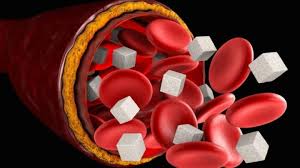
Let’s look at fruits that are nutrient-rich, have a low glycemic index, and offer cardiovascular benefits.
1. Berries (Strawberries, Blueberries, Raspberries)
- GI Score: 25–40
- Rich in antioxidants (especially anthocyanins)
- High in vitamin C and fiber
- Help improve insulin sensitivity
- May reduce systolic blood pressure
✅ Snack idea: Greek yogurt with a handful of fresh berries
2. Apples
- GI Score: 36
- Loaded with soluble fiber (pectin)
- Improves satiety and slows sugar absorption
- Contains flavonoids linked to reduced blood pressure
✅ Eat with skin for max fiber benefit
3. Pears
- GI Score: 38
- Great source of fiber
- Lowers LDL cholesterol
- May aid digestion and prevent sugar spikes
✅ Pair with unsweetened nut butter
4. Oranges
- GI Score: 40
- High in vitamin C and potassium
- Contains hesperidin – supports blood vessel flexibility
- May help lower systolic blood pressure
⚠️ Avoid fruit juice, opt for whole orange segments
5. Grapefruit
- GI Score: 25
- High in antioxidants
- Lowers insulin resistance
- Reduces blood pressure in clinical trials
⚠️ May interfere with medications – consult your doctor
6. Avocado
- GI Score: 15
- Very low in sugar
- Packed with monounsaturated fats
- Supports heart health and stabilizes glucose
✅ Use in smoothies or salads
7. Kiwifruit
- GI Score: 50
- Packed with fiber and vitamin C
- Helps control blood sugar
- Contains potassium – helpful for lowering blood pressure
8. Pomegranates
- GI Score: 35
- Contain punicalagins – powerful antioxidants
- May reduce blood pressure
- Anti-inflammatory properties beneficial for diabetics
✅ Add seeds to yogurt or oats
9. Guava
- GI Score: 31
- High in fiber
- Reduces post-meal glucose spikes
- Excellent potassium source
10. Cherries
- GI Score: 20
- Anti-inflammatory
- May lower blood glucose
- Rich in melatonin – aids sleep, indirectly helps blood pressure
🍌 Fruits to Eat in Moderation
Some fruits have higher sugar content or glycemic index, but they’re not strictly forbidden.
| Fruit | GI Score | Note |
|---|---|---|
| Bananas | 51–60 | Choose small-sized or under-ripe ones |
| Mangoes | 51–60 | Limit quantity, pair with protein |
| Pineapple | 59 | Consume with fiber-rich food |
| Watermelon | 72 | High GI but low glycemic load |
| Grapes | 53–59 | Watch portion sizes |
✅ Tip: Pair these with a fat/protein (e.g., almonds) to reduce glycemic impact.
🩺 Scientific Studies Supporting Fruit in Diabetic Diets
1. Meta-Analysis – Nutrition Reviews (2021)
- Higher fruit consumption linked to lower CVD and all-cause mortality among diabetics.
2. British Medical Journal (BMJ) 2013 Study
- Certain fruits (like blueberries, apples, grapes) linked to reduced risk of type 2 diabetes.
3. Frontiers in Endocrinology Meta-Analysis (2023)
- Whole fruit intake improved fasting blood glucose and HbA1c
- Dried fruit had moderate benefits when unsweetened and portion-controlled
🥗 How to Include Fruits in a Diabetes-Friendly, Blood Pressure–Friendly Diet
1. Prioritize Whole Fruits Over Juices
- Juices are concentrated sugar
- Whole fruits offer fiber and satiety
- Avoid added sugars or sweetened canned fruit
2. Practice Portion Control
- 1 medium fruit or ½ cup chopped is a standard diabetic serving
- Avoid mindless snacking on high-GI fruits
3. Combine Fruits with Protein or Healthy Fats
- Apple + almond butter
- Berries + cottage cheese
- Banana slices + chia pudding
4. Monitor Blood Sugar Response
- Keep a food log
- Use CGMs (continuous glucose monitors) if prescribed
- Note how specific fruits affect your readings
🍴 Sample 1-Day Meal Plan Featuring Diabetic-Friendly Fruits
| Meal | Food Combination |
|---|---|
| Breakfast | Steel-cut oats + blueberries + walnuts |
| Snack | Hard-boiled egg + pear |
| Lunch | Grilled chicken + avocado salad |
| Snack | Greek yogurt + kiwi |
| Dinner | Stir-fried tofu + steamed vegetables + pomegranate seeds |
💡 Benefits of Including Fruits in a Diabetic Diet
✅ Blood Sugar Control
- Fiber slows down digestion and glucose release
✅ Cardiovascular Health
- Fruits rich in potassium, magnesium, and flavonoids lower blood pressure
✅ Weight Management
- Fruits offer satiety with fewer calories than processed snacks
✅ Digestive Health
- High-fiber fruits support gut microbiome
✅ Natural Sweet Craving Management
- Replaces artificial desserts with healthy options
🔍 Common Myths About Fruits and Diabetes — Debunked
| Myth | Truth |
|---|---|
| Diabetics must avoid all fruits | False. Many fruits are low-GI and safe |
| Fruit sugar is as bad as candy | False. Fruit has fiber and nutrients |
| Fruit spikes blood pressure | False. Many fruits lower BP due to potassium |
| Juice is as healthy as whole fruit | False. Juice lacks fiber and raises glucose quickly |
| All dried fruits are dangerous | Not true. Unsweetened, portioned ones are acceptable |
✅ Fruits That Help Lower Blood Pressure Naturally
- Bananas (rich in potassium)
- Avocados (monounsaturated fats and magnesium)
- Berries (anthocyanins reduce arterial stiffness)
- Citrus fruits (flavonoids improve vascular function)
- Watermelon (contains citrulline, a vasodilator)
These benefits are amplified when fruits are part of a balanced lifestyle, including regular exercise, low sodium intake, and stress reduction.
Fruits to Eat in Moderation to Avoid Blood Sugar Spikes: Smart Portion Sizes and Healthy Pairings for Diabetics
🍎 Introduction
Living with diabetes or prediabetes means paying extra attention to what you eat—especially when it comes to carbohydrate-rich foods like fruit. But that doesn’t mean you have to completely avoid nature’s sweet treats. Fruits are packed with essential vitamins, antioxidants, fiber, and phytonutrients, making them an important part of a balanced diet.
However, not all fruits affect blood sugar equally. Some are higher in natural sugars and require moderation and strategic pairing to prevent unwanted spikes in blood glucose levels.
In this article, we’ll explore:
- The science behind fruit and blood sugar
- Fruits to eat in moderation if you have diabetes
- Optimal portion sizes for different fruits
- Tips for combining fruits with fat, protein, and fiber
- A sample fruit meal plan for diabetics
- Frequently asked questions and expert insights
🧬 Understanding Fruit’s Role in Blood Sugar Regulation
✅ Why Fruits Matter in a Diabetic Diet
Fruits contain natural sugars like fructose, which are metabolized differently than added sugars. Whole fruits are also:
- Rich in fiber – slows digestion and sugar absorption
- Hydrating – due to high water content
- Antioxidant-packed – helps fight inflammation
- Low in energy density – aids in weight control
🚫 How Fruit Can Raise Blood Sugar
Some fruits, especially those with higher glycemic indexes (GI) or more sugar per gram, can cause blood sugar spikes when eaten:
- In large quantities
- Without any fat or fiber
- In juice or dried form
⚠️ Fruits to Eat in Moderation for Better Blood Sugar Control
Let’s break down the fruits that are healthy but should be eaten in smaller portions or paired wisely due to their natural sugar content.
1. Bananas
- GI Score: 51–60 (moderate)
- High in potassium
- Easily spikes blood sugar if overripe
🥄 Portion Tip: Eat ½ a medium banana at a time
🤝 Pair With: Almond butter or Greek yogurt
2. Mangoes
- GI Score: 51–60
- High in natural sugars
- Excellent vitamin A and C source
🥄 Portion Tip: Limit to ½ cup diced
🤝 Pair With: A handful of pistachios or cottage cheese
3. Pineapple
- GI Score: 59
- Rich in bromelain (an enzyme with anti-inflammatory properties)
- Sweet and tangy, but fast-absorbing sugars
🥄 Portion Tip: ½ cup chopped
🤝 Pair With: Low-fat cheese or avocado slices
4. Watermelon
- GI Score: 72 (high)
- Low in calories, but high in sugar per serving
- Mostly water, but lacks fiber
🥄 Portion Tip: 1 cup diced cubes
🤝 Pair With: Mixed nuts or a boiled egg
5. Grapes
- GI Score: 53–59
- High antioxidant content (resveratrol)
- Can spike sugar quickly if eaten in bulk
🥄 Portion Tip: 10–15 grapes (about ½ cup)
🤝 Pair With: 1 tablespoon peanut butter or string cheese
6. Cherries (Sweet Varieties)
- GI Score: 63
- Sweet cherries are higher in sugar than tart ones
- Great source of melatonin and anthocyanins
🥄 Portion Tip: ½ cup pitted cherries
🤝 Pair With: Plain Greek yogurt
7. Lychees
- GI Score: 57
- Juicy, tropical flavor but high sugar content
- Should be eaten sparingly
🥄 Portion Tip: 4–5 pieces
🤝 Pair With: Chia pudding or tofu cubes
8. Dates and Other Dried Fruits
- GI Score: 62–75
- Very high sugar concentration
- Minimal water and fiber content left
🥄 Portion Tip: 1–2 small dates only
🤝 Pair With: Handful of almonds or plain yogurt
9. Figs (Fresh or Dried)
- GI Score: 61
- Sweet and nutrient-dense
- High in natural sugar
🥄 Portion Tip: 1 fresh fig or ½ dried fig
🤝 Pair With: Ricotta or cottage cheese
🧠 The Science Behind Portion Control
📏 Recommended Daily Fruit Intake
According to dietitians and diabetes experts:
- Aim for 2 to 3 servings of fruit per day, spread out over meals.
- One serving equals:
- 1 medium whole fruit (apple, orange, pear)
- ½ banana or mango
- ¾ to 1 cup of berries or melon
- ½ cup chopped or cooked fruit
Eating fruits in moderation ensures better blood sugar stability and promotes nutrient diversity.
🍽️ How to Enjoy Fruit for Better Blood Sugar Control
🔗 Pair Fruits With Fat, Protein, or Fiber
This pairing strategy:
- Slows carbohydrate absorption
- Lowers the glycemic impact of the fruit
- Reduces post-meal glucose spikes
🍴 Examples of Smart Fruit Pairings:
| Fruit | What to Pair With | Why It Works |
|---|---|---|
| Apple | Peanut butter | Fat slows sugar absorption |
| Orange | Handful of almonds | Fiber + healthy fats combo |
| Grapes | String cheese | Protein balances the sugars |
| Banana | Chia seed pudding | Fiber-rich and omega-3s |
| Berries | Greek yogurt | Protein and probiotics |
| Pear | Cottage cheese | High protein pairing |
Pro Tip: Choose fruits with skins intact for more fiber (e.g., apples, pears, plums)
🍱 Diabetic-Friendly Sample Meal Plan with Moderation-Focused Fruit
🕗 Breakfast
- Steel-cut oats + ½ banana + chia seeds
- 1 boiled egg on the side
🕙 Mid-Morning Snack
- ½ cup strawberries with 2 tablespoons of walnuts
🕛 Lunch
- Grilled chicken wrap with lettuce and avocado
- ½ cup diced mango as dessert
🕒 Afternoon Snack
- 10–12 grapes with string cheese
🕖 Dinner
- Stir-fried tofu + vegetables
- ½ cup watermelon cubes post-dinner
🩺 Expert-Backed Insights and Research
📚 Key Studies Supporting Moderate Fruit Intake for Diabetics
- Nutrition Reviews (2021)
- Higher fruit consumption = lower cardiovascular mortality in diabetics
- Frontiers in Endocrinology (2023)
- Moderate whole fruit intake significantly reduced fasting glucose and HbA1c levels
- Harvard Study (2013)
- Blueberries, grapes, and apples associated with reduced type 2 diabetes risk
🧑⚕️ “Diabetics should focus on whole fruits, portion sizes, and smart pairings—not fruit elimination,” – says Dr. Vandana Sheth, RDN.
❓ Frequently Asked Questions (FAQs)
1. Can diabetics eat bananas?
Yes—but in ½ banana portions and preferably paired with a fat/protein source.
2. Is fruit juice safe for diabetics?
Generally no. Fruit juice lacks fiber and is quickly absorbed, causing blood sugar spikes.
3. Are dried fruits okay?
Only unsweetened dried fruits in small portions. E.g., 1 date or 1 tbsp raisins.
4. Can I eat fruit at night?
Yes, but stick to low-GI fruits like berries, and combine with protein to reduce glucose rise.
5. How do I know which fruits affect my blood sugar?
Use a Continuous Glucose Monitor (CGM) or check your sugar levels before and after fruit consumption.
11 Supplements to Help Lower Blood Sugar Naturally: A Guide for Diabetics and Health-Conscious Readers
🧬 Introduction: Can Supplements Help Manage Blood Sugar?
For millions of people living with type 1, type 2, or prediabetes, controlling blood sugar is a daily priority. In addition to following a healthy diet, exercising regularly, and possibly taking prescribed medications, many individuals turn to dietary supplements to help support natural blood sugar control.
But do these supplements really work? And which ones are backed by science?
In this in-depth guide, we’ll explore:
- 11 top supplements for blood sugar control
- How they work and their key benefits
- Possible side effects and risks
- Research evidence
- Tips for choosing safe and effective supplements
⚠️ Note: Always consult with your healthcare provider before starting any new supplement, especially if you have diabetes or are on medication.
🌿 1. Chromium
🔬 What It Is:
A trace mineral that plays a role in carbohydrate and fat metabolism.
💡 How It Helps:
- Enhances insulin sensitivity
- May improve fasting blood glucose levels
- Reduces insulin resistance
🔍 Research Insight:
A meta-analysis published in Diabetes Technology & Therapeutics showed that chromium supplementation improved glycemic control in people with type 2 diabetes.
🧪 Dosage:
- 200 to 1,000 mcg per day
- Best taken in the form of chromium picolinate
⚠️ Side Effects:
- Headache
- Dizziness
- Potential interactions with diabetes medications
🍃 2. Cinnamon
🔬 What It Is:
A popular spice made from the inner bark of trees in the Cinnamomum family.
💡 How It Helps:
- May lower fasting blood glucose
- Slows down carbohydrate breakdown
- Mimics insulin’s activity
🔍 Research Insight:
A study published in Annals of Family Medicine found that cinnamon significantly reduced fasting blood sugar and HbA1c in type 2 diabetics.
🧪 Dosage:
- 1 to 6 grams daily (about ½ to 2 teaspoons)
- Choose Ceylon cinnamon (not cassia) to avoid liver damage from coumarin
⚠️ Side Effects:
- Liver issues at high doses
- May cause allergic reactions
🐟 3. Omega-3 Fatty Acids
🔬 What It Is:
Essential fatty acids found in fish oil and plant-based sources like flaxseed and chia.
💡 How It Helps:
- Improves insulin sensitivity
- Reduces inflammation
- Lowers triglyceride levels
🔍 Research Insight:
Studies show omega-3s are more effective at improving cardiovascular health in diabetics rather than directly reducing blood sugar, but their role in reducing insulin resistance is promising.
🧪 Dosage:
- 1,000 to 3,000 mg per day
- Look for supplements containing EPA and DHA
⚠️ Side Effects:
- May cause fishy aftertaste
- Can thin the blood at high doses
🌰 4. Alpha-Lipoic Acid (ALA)
🔬 What It Is:
A powerful antioxidant produced in the body and found in foods like spinach and broccoli.
💡 How It Helps:
- Enhances insulin sensitivity
- Reduces oxidative stress
- Helps prevent diabetic neuropathy
🔍 Research Insight:
A review in Frontiers in Pharmacology concluded that ALA reduced fasting blood glucose and HbA1c, especially in patients with type 2 diabetes.
🧪 Dosage:
- 300 to 600 mg daily
⚠️ Side Effects:
- Nausea
- Skin rash
- May lower thyroid hormone levels
🌾 5. Berberine
🔬 What It Is:
A plant compound found in several herbs, including goldenseal and barberry.
💡 How It Helps:
- Activates AMPK, a key enzyme in metabolism
- Improves insulin sensitivity
- Lowers fasting blood glucose and HbA1c
🔍 Research Insight:
Studies suggest that berberine is as effective as metformin in managing blood sugar levels in type 2 diabetics.
🧪 Dosage:
- 500 mg, 2–3 times daily
⚠️ Side Effects:
- Constipation
- Stomach cramps
- May interfere with some medications
🌱 6. Magnesium
🔬 What It Is:
A mineral essential for over 300 enzyme functions in the body.
💡 How It Helps:
- Regulates insulin action
- Helps glucose transport across cell membranes
- Reduces insulin resistance
🔍 Research Insight:
According to a study in Diabetes Care, people with higher magnesium intake had lower risk of type 2 diabetes.
🧪 Dosage:
- 250 to 350 mg daily
- Choose magnesium glycinate or citrate for better absorption
⚠️ Side Effects:
- Diarrhea at high doses
- Risk of toxicity in kidney patients
🌸 7. Fenugreek
🔬 What It Is:
An herb commonly used in Indian cuisine and traditional medicine.
💡 How It Helps:
- Rich in soluble fiber, which slows digestion
- Improves insulin sensitivity
- Helps lower post-meal glucose spikes
🔍 Research Insight:
Clinical trials show fenugreek seeds significantly reduce fasting blood sugar and HbA1c levels.
🧪 Dosage:
- 5–25 grams of seed powder daily
- Can be consumed as capsules, tea, or soaked seeds
⚠️ Side Effects:
- Body odor
- Gastrointestinal issues
🌿 8. Gymnema Sylvestre
🔬 What It Is:
A woody climbing plant used in traditional Ayurvedic medicine.
💡 How It Helps:
- Known as “sugar destroyer”
- Reduces sugar absorption in the intestine
- May regenerate pancreatic beta cells
🔍 Research Insight:
A study published in Journal of Ethnopharmacology found that Gymnema significantly lowered blood sugar levels in both type 1 and type 2 diabetics.
🧪 Dosage:
- 200 to 400 mg per day
⚠️ Side Effects:
- May cause low blood sugar if combined with diabetes drugs
- Possible liver toxicity in rare cases
🍇 9. Resveratrol
🔬 What It Is:
A compound found in red wine, grapes, and berries.
💡 How It Helps:
- Improves insulin sensitivity
- Reduces oxidative stress
- May protect against diabetes-related complications
🔍 Research Insight:
Human trials suggest resveratrol helps reduce fasting glucose and improve HbA1c when taken consistently.
🧪 Dosage:
- 100 to 500 mg daily
⚠️ Side Effects:
- Mild digestive upset
- May interact with blood thinners
🌿 10. Psyllium Husk
🔬 What It Is:
A type of soluble fiber made from Plantago ovata seeds.
💡 How It Helps:
- Slows digestion and carbohydrate absorption
- Reduces post-meal glucose spikes
- Improves cholesterol levels
🔍 Research Insight:
A review in The American Journal of Clinical Nutrition showed psyllium significantly reduced both fasting and post-meal glucose levels.
🧪 Dosage:
- 5 to 10 grams per day (with plenty of water)
⚠️ Side Effects:
- Bloating
- May interfere with absorption of medications
🌾 11. Vitamin D
🔬 What It Is:
A fat-soluble vitamin important for immune and metabolic health.
💡 How It Helps:
- May enhance insulin sensitivity
- Low vitamin D levels are linked to higher risk of type 2 diabetes
🔍 Research Insight:
Supplementing with vitamin D may modestly reduce fasting glucose and improve insulin function, especially in those with deficiency.
🧪 Dosage:
- 1,000 to 2,000 IU daily
- Check blood levels before supplementing
⚠️ Side Effects:
- High doses can cause toxicity
- Risk of kidney stones in sensitive individuals
💡 Tips for Choosing and Using Blood Sugar Supplements
✅ Do:
- Buy from reputable brands with third-party testing
- Read labels carefully
- Start with low doses
- Track your blood sugar response
- Check for interactions with medications
❌ Don’t:
- Replace prescribed medication without doctor approval
- Overdose or combine multiple supplements with similar effects
- Ignore symptoms of side effects
🧠 Expert Recommendations
Dr. Frank Hu, Professor of Nutrition at Harvard, emphasizes:
“Supplements can complement, but not replace, a healthy diet and lifestyle. Always monitor your glucose levels and consult your doctor.”
🧾 Final Thoughts: Natural Isn’t Always Risk-Free
While many of these supplements show promising results for blood sugar management, they are not magic pills. The most effective way to manage diabetes is through:
- Balanced diet rich in whole foods
- Regular physical activity
- Stress management
- Consistent medical follow-up
Supplements may provide an added edge, especially when blood sugar levels are hard to control with diet and exercise alone. However, self-medication can be risky, so work closely with your healthcare provider.