
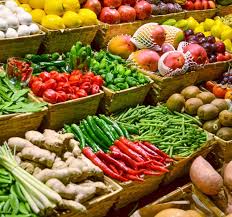
Rising Vegetable Prices in India: A Crisis Triggered by Monsoon Rains
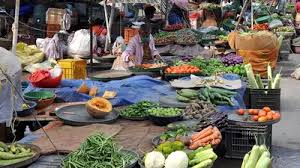
In an unexpected turn of events, vegetable prices in India have surged over 50% in various regions, causing distress among both consumers and retailers. The early and intense monsoon has wreaked havoc on vegetable crops, resulting in reduced supply, poor transportation, and inflated rates in wholesale and retail markets
Heavy Rains Damage Crops: The Root Cause Behind the Price Hike
The early onset of the monsoon season in states like Maharashtra, Gujarat, Madhya Pradesh, and parts of South India has damaged standing crops, especially perishable vegetables such as tomatoes, green chilies, onions, and coriander. These crops, already vulnerable to environmental stress, have suffered significant losses due to waterlogging and fungal infections.
Key Factors Leading to Crop Damage:
- Waterlogged farmlands affecting root growth
- Fungal diseases due to constant moisture
- Disruption in harvesting due to persistent rains
- Post-harvest losses in storage and transportation
Sharp Drop in Arrivals at Mandis Across India
The Agricultural Produce Market Committees (APMCs) in major cities have reported a 40% to 60% drop in daily arrivals of vegetables. Wholesale traders from markets such as Lasalgaon, Azadpur (Delhi), Vashi (Mumbai) and Koyambedu (Chennai) confirm that there has been a drastic fall in supply, pushing prices up sharply.
Current Status of Vegetable Arrivals in Key Mandis:
| Market | Normal Daily Arrival | Current Arrival | Drop (%) |
|---|---|---|---|
| Azadpur, Delhi | 1200 tons | 600 tons | 50% |
| Vashi, Mumbai | 950 tons | 500 tons | 47% |
| Koyambedu, Chennai | 800 tons | 420 tons | 48% |
Vegetable Price Hike in Retail Markets: What Consumers Are Paying Now
Retail prices of commonly consumed vegetables have skyrocketed. In some areas, the rate of tomatoes has gone up to ₹80–₹100 per kg, while onions and potatoes are being sold at ₹40–₹60 per kg, depending on the region.
Retail Vegetable Prices in Major Cities (per kg):
- Tomatoes: ₹90 in Delhi, ₹100 in Mumbai, ₹85 in Bengaluru
- Onions: ₹45–₹60 across metro cities
- Potatoes: ₹40 in Chennai, ₹42 in Kolkata
- Green chilies: ₹120–₹150 in most regions
- Coriander: ₹200 per kg in retail, ₹100 in wholesale
Transportation and Logistic Woes Deepen the Crisis
Due to waterlogged roads and highways, trucks carrying fresh vegetables are either delayed or unable to complete their routes. Perishable vegetables, if delayed even by a day, are either discarded or sold at a loss. This disruption is further contributing to the price escalation and reduced stock availability in markets.
Farmers Suffer Huge Losses: Crop Rotting in Fields
While urban consumers are grappling with high vegetable prices, farmers are facing financial distress. Many have reported that their crops are rotting in the fields, unable to be harvested or sold due to poor access and consistent rains.
Farmer’s Concerns:
- Loss of over 60% in tomato and green chili yield
- Repeated re-sowing adds to costs
- Rising input prices with no assurance of returns
- Government compensation yet to be processed in many states
Expert Speak: More Price Volatility Expected in Coming Weeks
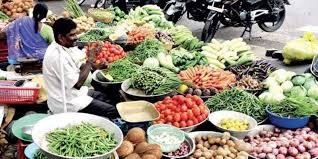
Agricultural economists and weather experts suggest that the vegetable price surge may continue for the next 4–6 weeks unless weather conditions stabilize. A shortfall in vegetable supply during the monsoon is a common annual phenomenon, but early rains and flooding this year have made the impact more severe.
“Vegetables like tomato, chili, spinach, and okra are extremely sensitive to excess moisture. Unless new sowing begins under controlled weather, we are likely to witness persistent inflation,” said Dr. Ramesh Kulkarni, an agricultural scientist.
Government’s Response: Measures to Control Prices Underway
The central and state governments are monitoring the vegetable inflation closely. Agri-ministry officials have stated that efforts are underway to release buffer stock of onions and potatoes and boost local procurement. Some states like Maharashtra and Karnataka have also requested central relief funds to compensate affected farmers.
Steps Being Taken:
- Monitoring hoarding activities and enforcing stock limits
- Facilitating early distribution of seeds for re-sowing
- Subsidizing diesel and fertilizer for flood-affected farmers
- Temporary import of onions from neighboring states
Tips for Consumers: How to Cope with High Vegetable Prices
As prices continue to climb, households are being forced to adjust their food budgets. Nutritionists and consumer experts suggest opting for seasonal alternatives and less perishable items until the situation improves.
Budget-Friendly Tips:
- Use frozen vegetables to reduce dependence on fresh produce
- Include lentils, sprouts, and pulses as protein alternatives
- Choose vegetables like pumpkins, gourds, and cabbage that are less affected
- Buy in bulk directly from farmers’ markets if possible
Conclusion: Monsoon Impact on Vegetables—A Wake-Up Call for Food Security
The sharp increase in vegetable prices due to monsoon damage and supply disruption has once again exposed the vulnerabilities in India’s agri-supply chain. This situation underscores the need for climate-resilient crops, better irrigation, and logistical preparedness. As authorities scramble to contain the inflation, it is clear that sustainable agricultural practices are the only long-term solution to mitigate such seasonal shocks.