

Introduction: The Growing Popularity of Couscous
Couscous, once a North African staple, has now become a global favorite. It’s found in kitchens and grocery stores worldwide, thanks to its quick preparation time, versatility, and potential health benefits. But is couscous healthy? In this comprehensive guide, we’ll explore the top 5 health and nutrition benefits of couscous, its nutritional value, potential risks, and why it might be a beneficial addition to your diet.
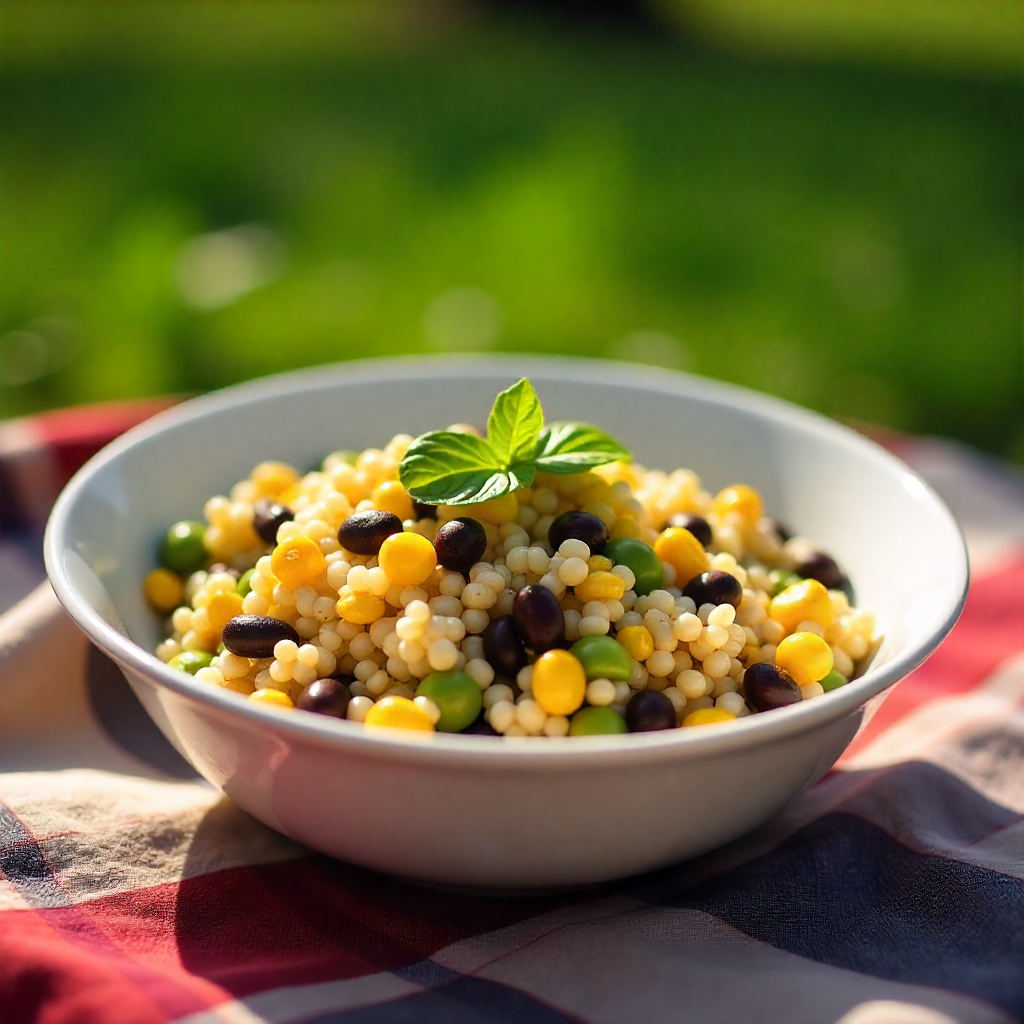
What is Couscous? Understanding the Basics
Couscous is a type of processed grain product made from semolina wheat. It appears as small granules or tiny balls and is often used as a base in salads, side dishes, or as a main meal.
Types of Couscous
- Moroccan Couscous: The smallest and most common variety; cooks the fastest.
- Israeli Couscous (Pearl Couscous): Larger granules with a chewy texture and nutty flavor.
- Lebanese Couscous (Moghrabieh): The largest variety that requires the most cooking time.
Nutritional Profile of Couscous
A 1-cup (157g) serving of cooked couscous provides:
- Calories: 176
- Protein: 6g
- Carbohydrates: 36g
- Fiber: 2g
- Fat: 0.25g
- Selenium: 43 mcg (more than 60% of the daily recommended intake)
Top 5 Health and Nutrition Benefits of Couscous
1. Rich in Selenium: A Powerful Antioxidant
Selenium is an essential mineral that acts as a powerful antioxidant. Couscous is one of the richest plant-based sources of selenium.
Benefits of Selenium in Couscous:
- Fights oxidative stress
- Reduces inflammation
- Supports thyroid function
- May lower the risk of chronic diseases like heart disease and cancer
Scientific Insight: A meta-analysis of 69 studies involving over 350,000 participants found that higher selenium levels are associated with a reduced risk of certain cancers.
2. Boosts Your Immune System Naturally
Keyword: couscous immune system, selenium immunity
Couscous helps boost your immunity due to its high selenium content. Selenium is essential for producing and activating immune cells.
How Couscous Supports Immunity:
- Enhances the immune response
- Lowers oxidative stress
- Aids in the production of white blood cells
Note: Selenium deficiency is linked to weakened immune function.
3. Excellent Source of Plant-Based Protein
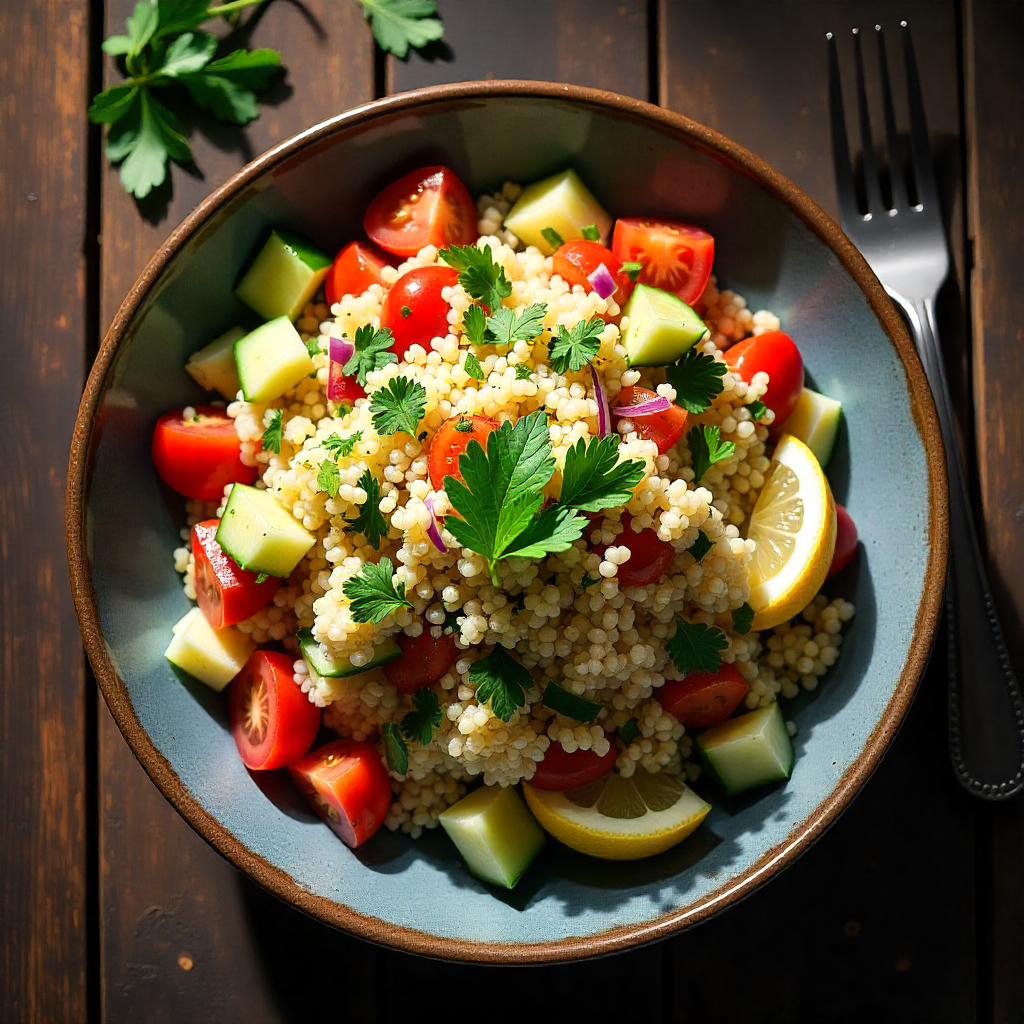
For vegetarians and vegans, couscous offers a good amount of plant-based protein. One cup provides about 6 grams of protein.
Benefits of Protein in Couscous:
- Helps build and repair tissues
- Involved in enzyme and hormone production
- Supports muscle growth
Tip: Combine couscous with legumes for a complete amino acid profile.
4. Supports Weight Management
Couscous is low in fat and moderate in calories, making it a good option for those watching their weight.
Why Couscous Is Weight-Friendly:
- Low in fat and calories
- High in volume, which helps you feel full
- Versatile ingredient for healthy recipes
Meal Ideas:
- Couscous salad with vegetables and olive oil
- Grilled chicken with couscous and herbs
5. Promotes Digestive Health
Although couscous is not extremely high in fiber, it still contributes to digestive health when part of a balanced diet.
How Couscous Aids Digestion:
- Contains small amounts of dietary fiber
- Helps prevent constipation
- Supports a healthy gut microbiome
Tip: Add vegetables, beans, and nuts to increase fiber content in couscous-based meals.
Couscous vs. Other Grains: Nutritional Comparison
| Grain | Calories | Protein | Fiber | Gluten-Free |
|---|---|---|---|---|
| Couscous | 176 | 6g | 2g | No |
| Quinoa | 222 | 8g | 5g | Yes |
| Brown Rice | 216 | 5g | 3.5g | Yes |
Takeaway: Couscous has fewer calories than quinoa and rice but contains gluten and less fiber.
Potential Drawbacks of Couscous
Couscous isn’t ideal for everyone. Here are some drawbacks:
1. Contains Gluten: Not suitable for people with celiac disease or gluten sensitivity.
2. Lower Fiber Than Whole Grains: Compared to quinoa or brown rice, couscous has less fiber.
3. Blood Sugar Spike: Being a refined grain, couscous may raise blood sugar levels in people with diabetes.
Tips for Making Couscous Healthier
- Use whole wheat couscous for more fiber
- Add vegetables like spinach, bell peppers, and tomatoes
- Mix with chickpeas or beans for extra protein and fiber
- Use herbs and spices instead of salt for flavor
Healthy Couscous Recipe Example: Whole Wheat Couscous with Roasted Veggies and Chickpeas
How to Cook Couscous: Easy Preparation Guide
- Boil 1 cup water or broth
- Add 1 cup couscous and remove from heat
- Cover and let it sit for 5 minutes
- Fluff with a fork and serve
Tip: Add olive oil or lemon juice for flavor.
Frequently Asked Questions (FAQs)

1. Is couscous healthier than rice? Couscous has fewer calories but less fiber compared to brown rice. It can be a healthy choice depending on your dietary goals.
2. Can I eat couscous daily? Yes, if you’re not gluten-sensitive. Balance it with fiber-rich vegetables and proteins.
3. Is couscous good for diabetes? Whole wheat couscous is a better choice. Pair it with low-GI foods to manage blood sugar levels.
Conclusion: Is Couscous a Healthy Choice?
Couscous can be a healthy addition to a balanced diet, especially due to its selenium content, plant-based protein, and versatility. While it does contain gluten and has less fiber than whole grains, it can be optimized with smart preparation. If you’re looking to diversify your grain intake, couscous is a nutritious option worth considering.
Meta Description for SEO Is couscous healthy? Discover the top 5 health and nutrition benefits of couscous, including its antioxidant-rich selenium, plant-based protein, and immune-boosting properties. Learn how to cook and optimize couscous for a balanced diet.