Introduction: Clarifying the Confusion Over Traditional Indian Snacks
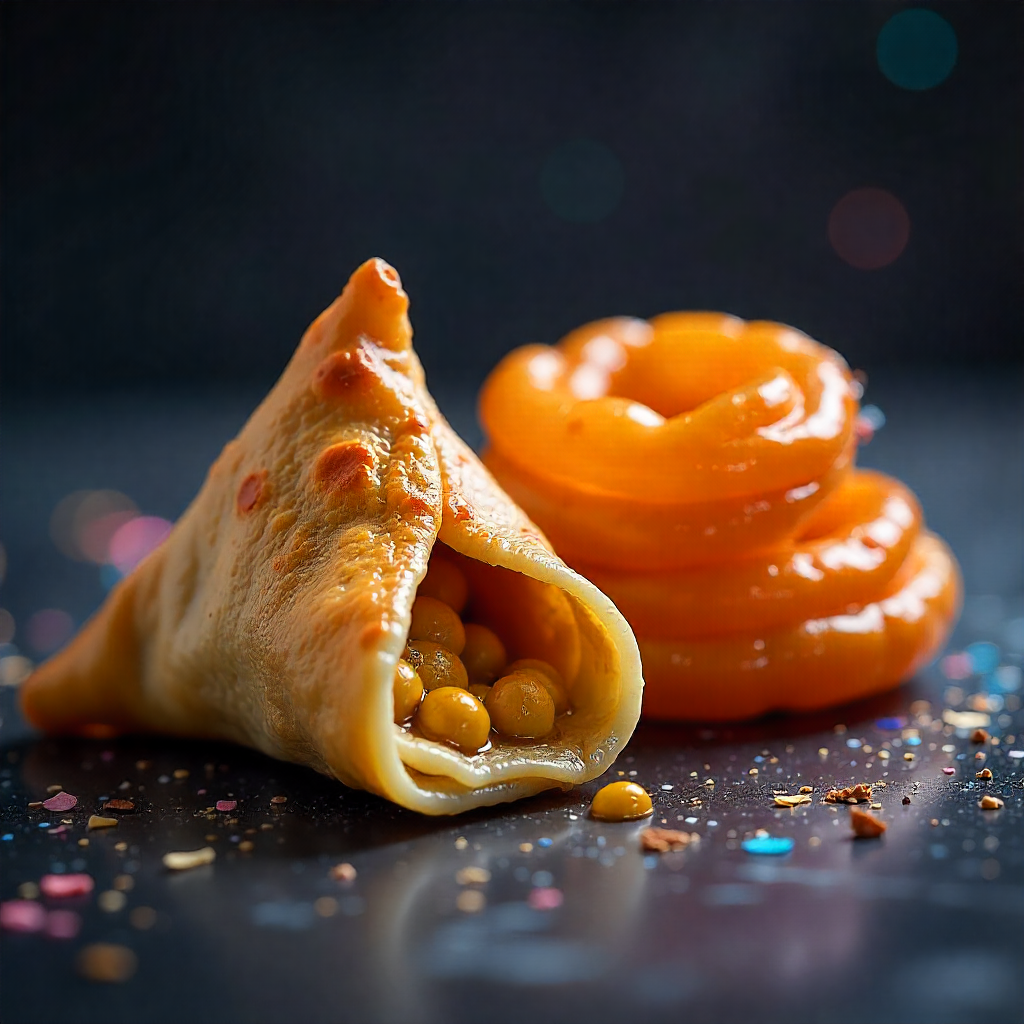
Recent reports claiming that the Union Health Ministry is planning to impose health warning labels on beloved Indian snacks such as samosas, jalebis, laddoos, and kachoris have stirred a social media storm. Concerned citizens feared that their favorite street foods could soon be classified alongside cigarettes and alcohol in terms of public health warnings. However, the Press Information Bureau (PIB) swiftly intervened, stating that such claims are false and misleading.
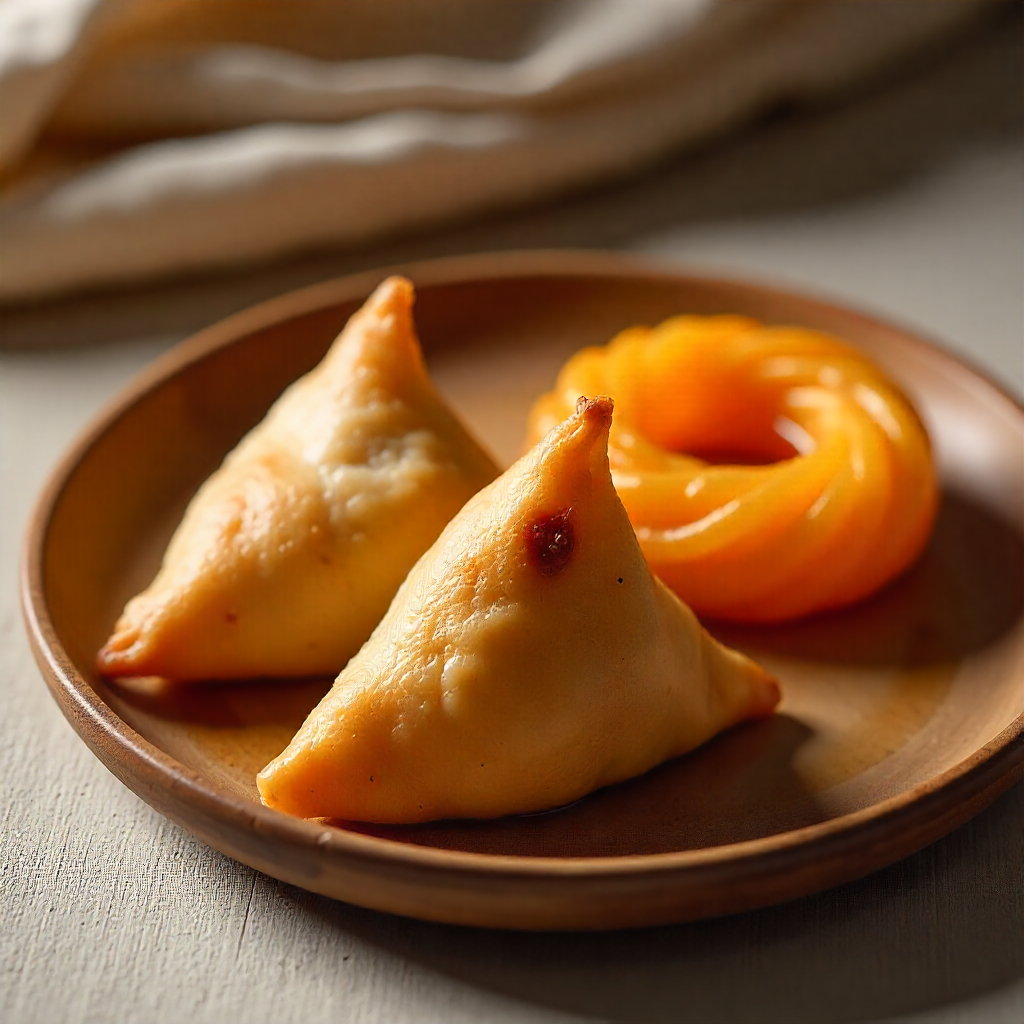
In this detailed article, we dissect the origin of the misinformation, clarify the Health Ministry’s actual advisory, and explore how India’s food regulation policies balance public health with cultural heritage. We also highlight what this means for street food lovers and vendors across the country.
Table of Contents
- The Origin of the Fake News
- PIB’s Fact-Check: No Health Warnings on Indian Snacks
- What the Health Ministry Advisory Actually Says
- The Social Media Backlash and Public Reaction
- Health vs Heritage: A Delicate Balance
- Nutritional Facts About Samosa, Jalebi, and Other Indian Delicacies
- India’s Food Regulation Ecosystem
- FSSAI’s Role in Food Labeling and Awareness
- Street Vendors and Their Concerns
- Food Safety Campaigns in India
- International Examples: Health Warnings on Food
- Cultural Identity and Food: More Than Just Calories
- The Future of Indian Street Food
- Conclusion: Separating Fact from Fiction
- FAQs
1. The Origin of the Fake News
The misinformation originated from a series of online news articles and social media posts, which suggested that the Health Ministry had issued guidelines mandating health warnings on high-calorie and fried foods like samosas, kachoris, and sweets like jalebis.
Some posts even claimed that popular food outlets and local vendors would be required to add cigarette-style warnings on their packaging. These reports were not backed by any official notification.
Key Points:
- Misleading headlines created panic among food lovers.
- No official press release or Gazette notification supported the claims.
- Rumors were amplified through viral social media shares.
2. PIB’s Fact-Check: No Health Warnings on Indian Snacks
The Press Information Bureau (PIB), which routinely debunks misinformation, clarified the issue via its official X (formerly Twitter) account on July 22, 2025.
“Claim: Reports suggest that the Union Health Ministry has advised warning labels on Indian snacks.
Fact: This claim is false. The Health Ministry has not issued any such advisory,” PIB tweeted.
3. What the Health Ministry Advisory Actually Says
The original advisory issued by the Ministry of Health and Family Welfare pertains to front-of-pack labeling norms, aimed at encouraging manufacturers to provide transparent nutritional information.
The actual advisory includes:
- Encouragement for packaged food brands to display sugar, salt, and fat content.
- Promotion of consumer education, especially around ultra-processed foods.
- No mention of street vendors or traditional Indian snacks.
This advisory aligns with the WHO recommendations on non-communicable diseases (NCDs) and aims to tackle rising obesity and lifestyle disorders.
4. The Social Media Backlash and Public Reaction
Once the reports went viral, Twitter, Facebook, and WhatsApp groups exploded with reactions.
Reactions included:
- Outrage over the alleged “ban” on Indian culture.
- Memes comparing jalebi to cigarettes.
- Food bloggers and chefs speaking out in defense of traditional foods.
5. Health vs Heritage: A Delicate Balance
The debate over food regulations and public health often hits a cultural nerve in India. Samosas, laddoos, and jalebis are not just snacks—they’re symbols of celebration and tradition.
Points to Consider:
- Samosas and laddoos are central to festivals and weddings.
- Street food is an economic lifeline for millions.
- Over-regulation risks damaging small businesses and cultural expression.
6. Nutritional Facts About Samosa, Jalebi, and Other Indian Delicacies
Let’s take a closer look at the nutritional profile of these beloved snacks:
Samosa (Per Piece):
- Calories: ~250-300 kcal
- Fat: ~17g
- Carbs: ~30g
- Protein: ~4g
Jalebi (100g):
- Calories: ~400 kcal
- Sugar: ~60g
- Fat: ~20g
Moderation Is Key:
- Regular consumption of fried and sugary foods can lead to obesity, diabetes, and heart disease.
- Occasional indulgence is acceptable within a balanced diet.
7. India’s Food Regulation Ecosystem
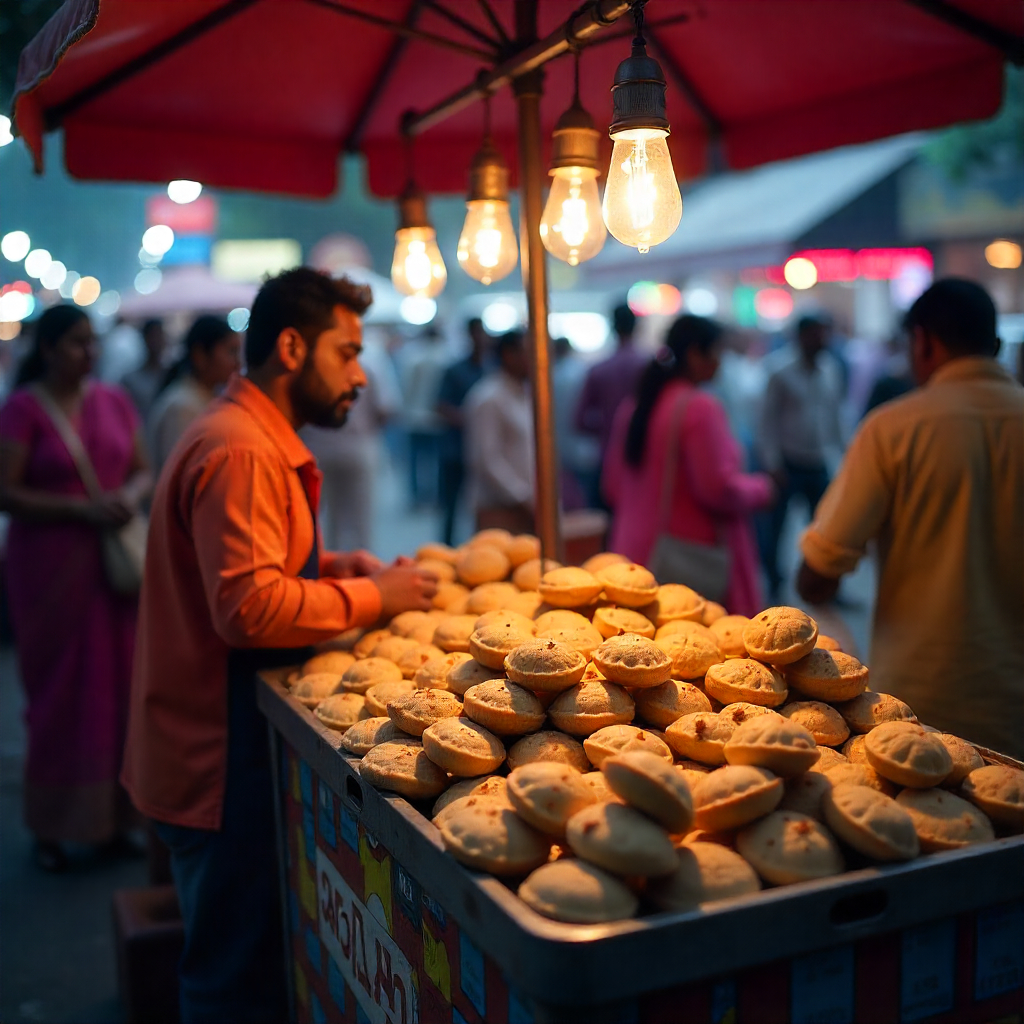
India’s food policy is governed by multiple bodies including:
- Ministry of Health and Family Welfare
- Food Safety and Standards Authority of India (FSSAI)
- State Food Safety Departments
Key Focus Areas:
- Public awareness about unhealthy ingredients.
- Ensuring safety in street food.
- Promoting hygienic food practices.
8. FSSAI’s Role in Food Labeling and Awareness
The FSSAI is actively working to make food labeling more transparent. However, its guidelines apply only to packaged and branded foods, not to street vendors.
FSSAI Initiatives:
- Eat Right India movement.
- Front-of-pack labeling pilot projects.
- Training for food business operators (FBOs).
9. Street Vendors and Their Concerns
Street food vendors across India feared the news could lead to decreased sales or unnecessary inspections.
Vendors’ Concerns:
- Misinterpretation could lead to harassment by local authorities.
- Business could suffer due to fear among consumers.
- Need for awareness campaigns to protect small sellers.
10. Food Safety Campaigns in India
Various campaigns promote healthy eating without demonizing traditional foods:
Notable Campaigns:
- “Eat Right India” by FSSAI.
- “Aaj Se Thoda Kam” (Eat a Little Less) to promote portion control.
- “Save the Street Food” initiatives by food bloggers and chefs.
11. International Examples: Health Warnings on Food
Several countries have adopted warning labels on ultra-processed or unhealthy food:
Examples:
- Chile: Black octagon warning labels on packaged snacks.
- Mexico: Front-of-pack nutritional alerts.
- UK: “Traffic light” labels indicating sugar, salt, and fat levels.
However, none of these countries target local or traditional cuisines with such labels.
12. Cultural Identity and Food: More Than Just Calories
Indian food is deeply tied to regional identity, customs, and traditions.
Cultural Significance:
- Jalebi in Ramadan, Samosa in Holi, Laddoos during Diwali.
- Indian mithai is part of family rituals and offerings to deities.
Food regulation must respect this heritage while addressing health concerns.
13. The Future of Indian Street Food
Rather than issuing warnings, the focus should be on:
- Improving hygiene standards.
- Promoting healthier versions of popular snacks.
- Encouraging public awareness, not panic.
Fusion trends like air-fried samosas or jaggery-sweetened jalebis show that innovation can blend health with tradition.
14. Conclusion: Separating Fact from Fiction
The recent reports about mandatory health warnings on Indian snacks like samosas, jalebis, and laddoos were unfounded and officially denied by the Press Information Bureau (PIB).
Final Takeaways:
- The Health Ministry’s advisory focuses on packaged food, not street food.
- There are no warning labels mandated for Indian traditional snacks.
- Consumers should focus on moderation and awareness, not fear.
- Media outlets must avoid sensationalism, especially when food, culture, and public health intersect.
15. FAQs
Q1: Has the government banned samosas or jalebis?
A: No. The government has not issued any ban or warning label for traditional Indian snacks.
Q2: What did the Health Ministry actually advise?
A: The advisory pertains to front-of-pack labeling for packaged food brands, focusing on sugar, salt, and fat levels.
Q3: Are these new guidelines applicable to street vendors?
A: No. Street vendors and local food sellers are not included in the advisory.
Q4: What should consumers do?
A: Practice moderation, ensure cleanliness, and stay informed from verified sources.