
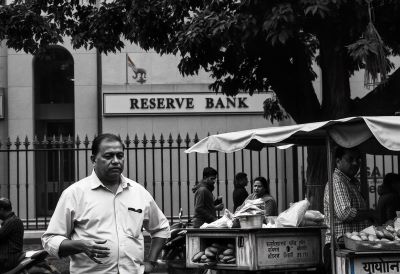
RBI to Conduct Two-Day ₹1 Trillion Reverse Repo Auction
In a move aimed at managing banking system liquidity, the Reserve Bank of India (RBI) on Tuesday announced a two-day variable rate reverse repo (VRRR) auction worth ₹1 trillion ($11.67 billion), scheduled for July 9, 2025. This comes amid the central bank’s ongoing calibrated strategy to absorb excess liquidity in the banking system and ensure effective policy transmission.

Background: A Series of Liquidity Management Steps
- On July 4, the RBI had already conducted a seven-day VRRR auction worth ₹1 trillion.
- Earlier, on June 24, the central bank scrapped its planned 14-day main operation that was scheduled for June 27, replacing it with another seven-day reverse repo auction.
These decisions underline the RBI’s measured approach toward liquidity withdrawal, ensuring overnight interbank lending rates remain aligned with the policy repo rate corridor.
What is a Variable Rate Reverse Repo (VRRR) Auction?
A reverse repo auction is a liquidity absorption tool where banks deposit their excess funds with the RBI at an interest rate decided via auction. The VRRR variant allows market participants to bid at different rates, providing flexibility and market-driven pricing.
This move indicates that the RBI is transitioning away from blanket liquidity support, a step that reflects the strength of the banking system and evolving monetary conditions.
Key Objectives Behind the July 9 Reverse Repo Auction
1. Absorption of Excess Liquidity
The ₹1 trillion two-day auction aims to absorb excess liquidity from the banking system, which surged in recent weeks due to:
- High government spending
- Robust capital inflows
- Lower credit offtake in certain sectors
2. Support Policy Rate Transmission
With the central bank having cut its policy rate by 50 basis points last month—steeper than expected—the RBI is now focusing on ensuring that interest rate cuts effectively transmit to end borrowers.
By maintaining tighter control over liquidity, the RBI helps guide overnight lending rates within the policy corridor, defined by the repo rate and the reverse repo rate.
Analysts’ Take on RBI’s Strategy
Experts believe the RBI is now entering a liquidity normalization phase. The sequence of short-duration VRRR auctions reflects:
- A cautious withdrawal of excess liquidity
- A shift from an accommodative stance to a neutral one
- Focus on bringing stability to overnight market rates
According to financial analysts, “The RBI’s latest operations suggest it wants to avoid sharp volatility in short-term rates while slowly removing surplus liquidity from the system.”
Impact on the Indian Banking Sector
a. Short-Term Impact
- Banks will earn less from surplus funds parked with the RBI, prompting them to lend more to the market.
- Short-term interest rates in money markets may rise slightly.
b. Medium-Term Outlook
- Credit growth may pick up, as banks channel funds toward commercial lending rather than depositing with the RBI.
- Fixed deposit and lending rates may remain stable or marginally move up depending on liquidity levels.
Broader Implications for the Economy
1. Stable Inflation Control
By absorbing excess liquidity, the RBI aims to prevent demand-side inflationary pressures, especially as global oil and commodity prices remain volatile.
2. Stronger Rupee Support
Controlled liquidity operations can help in managing capital flows, supporting the Indian Rupee’s exchange rate stability, especially as the US Fed’s policy remains uncertain.
Recent Monetary Policy Developments
The July 9 auction is aligned with the central bank’s recent stance:
- The repo rate was cut by 50 basis points, taking the markets by surprise.
- The RBI shifted its monetary stance to ‘neutral’, signaling a pause in further cuts until inflation stabilizes.
- Liquidity infusions have been halted since late June, with focus shifting to absorption operations.
This reflects a tightrope balancing act between supporting growth and containing inflation.
What to Expect Going Forward?
Financial markets will closely watch the cut-off rates and bid coverage ratio of the July 9 auction. Key indicators to monitor include:
- Overnight call money rate movement
- Liquidity coverage ratio (LCR) in banks
- Government bond yields
If excess liquidity persists, more VRRR auctions of varying durations could follow, possibly even longer tenures like 14-day or 28-day windows.
RBI Announces ₹1 Trillion Reverse Repo Auction on July 9 to Absorb Surplus Liquidity

RBI reverse repo auction, RBI liquidity management, RBI ₹1 trillion auction, monetary policy India, RBI July 9 operation, RBI latest update, Indian banking liquidity, repo rate India, RBI policy stance
RBI Steps Up Liquidity Absorption with Fresh ₹1 Trillion Auction
The Reserve Bank of India (RBI) has announced that it will conduct a two-day Variable Rate Reverse Repo (VRRR) auction worth ₹1 trillion ($11.67 billion) on July 9, 2025, to absorb surplus liquidity from the banking system. This move is part of the central bank’s ongoing efforts to normalize monetary conditions after excess liquidity pushed overnight rates below the policy corridor.
Strategic Move Following Earlier Auctions
This latest reverse repo auction is the third major liquidity operation in the past few weeks:
- On July 4, the RBI conducted a seven-day VRRR auction worth ₹1 trillion.
- On June 24, the RBI scrapped a planned 14-day main operation for June 27, replacing it with a seven-day reverse repo auction instead.
The RBI is clearly adopting a calibrated approach to withdraw liquidity gradually while ensuring financial market stability and effective monetary policy transmission.
What is a Variable Rate Reverse Repo Auction?
A Variable Rate Reverse Repo (VRRR) auction is a liquidity absorption tool where commercial banks park their excess funds with the RBI. Unlike fixed-rate operations, VRRR allows banks to bid at market-determined interest rates, increasing transparency and competitiveness.
Key Benefits of VRRR Auctions:
- Absorbs excess liquidity efficiently
- Helps maintain call money rates within the policy corridor
- Supports better transmission of the repo rate
RBI’s Liquidity Management Strategy Explained
The RBI has adopted a neutral stance on monetary policy after cutting the repo rate by 50 basis points last month. This was a steeper-than-expected rate cut, aimed at reviving economic growth. However, in tandem with this move, the RBI has begun withdrawing excess liquidity through reverse repo operations.
Key Components of the RBI’s Strategy:
- No fresh liquidity infusions since June 24
- Increased reliance on VRRR operations
- Maintaining overnight call rates between the repo rate and reverse repo rate
Why is the RBI Absorbing Liquidity Now?
The decision to absorb liquidity comes in response to:
- Surplus liquidity in the banking system
- Overnight lending rates dropping below the policy corridor floor
- The need to restore monetary policy effectiveness
Economists suggest that the temporary excess liquidity is due to:
- Government’s front-loaded spending
- Capital inflows into Indian markets
- Uneven credit demand across sectors
Market Impact of the RBI’s July 9 Auction
Short-Term Effects:
- Banks will park excess funds with RBI for two days, earning interest via auction-based bidding.
- Overnight market rates are likely to rise modestly, bringing them back within the policy corridor.
Medium to Long-Term Impacts:
- Credit availability could increase as banks reallocate idle liquidity to productive lending.
- Bond yields and money market rates may stabilize in a tighter band.
- Rupee may find support due to better liquidity control and foreign fund inflows.
Analyst Commentary on the RBI’s Auction Plan
Financial analysts believe this step reflects the RBI’s intent to fine-tune short-term rates without disrupting the broader monetary policy direction.
“The RBI is navigating a delicate balance between promoting growth and ensuring financial stability. These reverse repo auctions show a strategic pullback in liquidity without causing panic,” said a Mumbai-based money market expert.
Repo Rate, Reverse Repo Rate and Policy Corridor: A Quick Recap
Understanding the monetary policy corridor is essential to grasp the RBI’s move:
- Repo Rate: The rate at which RBI lends to commercial banks (currently reduced by 50 bps).
- Reverse Repo Rate: The rate at which banks park funds with the RBI.
- Policy Corridor: The range between the repo and reverse repo rates.
When overnight interbank lending rates fall below the lower end of this corridor, it indicates excess liquidity, which reduces the efficacy of policy rate changes. The RBI’s latest VRRR auction is designed to address this issue directly.
RBI’s Neutral Stance: What It Means for the Economy
The central bank’s neutral stance means it will remain data-dependent, adjusting its monetary tools as needed. This gives the RBI room to act in either direction—tightening or easing—based on inflation, growth, and global developments.
Implications for Borrowers and Businesses:
- Loan EMIs may not fall further immediately despite the repo cut.
- Business credit may expand as banks deploy freed-up capital.
- Investors may expect stable bond markets with predictable short-term rates.
What’s Next? Expectations from the RBI
Going forward, the RBI may:
- Continue short-duration reverse repo auctions
- Monitor core inflation and GDP trends closely
- Avoid long-term liquidity infusions unless absolutely needed
Market watchers expect the RBI to strike a balance between rate flexibility and liquidity discipline, especially as inflation risks persist due to volatile food and energy prices.
Conclusion: RBI Tightens Liquidity Tap Without Hindering Growth

The July 9 ₹1 trillion reverse repo auction by the RBI is a clear signal of its commitment to restore monetary discipline, maintain market stability, and ensure policy rate transmission. As India navigates a complex economic recovery, the RBI’s finely tuned liquidity operations will play a crucial role in balancing inflation and growth.
Conclusion The Reserve Bank of India’s ₹1 trillion reverse repo auction on July 9 is a clear signal of its evolving liquidity management strategy. As the central bank aims for effective policy rate transmission and financial stability, such moves are likely to become more frequent. For businesses and investors, this underlines the importance of staying attuned to the RBI‘s liquidity operations, as they impact interest rates, credit availability, and overall market sentiment.