

New Study Highlights the Link Between Vitamin D and Dental Health
Tooth decay is one of the most common and costly health issues faced globally, especially among children and adults with poor dietary habits.
However, a recent review of historical clinical trials has revealed an effective, affordable way to prevent dental caries—Vitamin D.
The study, published in Nutrition Reviews, found that this sunshine vitamin may reduce the incidence of tooth decay by as much as 50%.

Table of Contents
- The Costly Burden of Dental Visits
- The Historical Study That Turned Heads
- Vitamin D’s Role in Oral Health
- How Vitamin D Prevents Tooth Decay
- Global Trials and Their Findings
- Best Sources of Vitamin D
- Are You Getting Enough Vitamin D?
- Public Health Implications
- Conclusion: Prevention Over Cure
The Costly Burden of Dental Visits
Getting a dentist appointment is not only difficult due to long waiting lists, but it also comes with a high financial burden.
Tooth decay, or dental caries, is a persistent issue that affects billions worldwide. From cavities to root canals, treatments can be both painful and expensive. But what if there was a natural and affordable way to reduce the chances of getting tooth decay?
The Historical Study That Turned Heads
Researchers examined 24 controlled clinical trials from the 1920s to the 1980s, involving over 3,000 children from various countries.
These studies consistently showed that vitamin D supplementation significantly lowered the incidence of dental caries. The final review concluded that vitamin D was associated with a 50% reduction in tooth decay, making it a powerful preventive nutrient.
Vitamin D’s Role in Oral Health
Vitamin D, often referred to as the “sunshine vitamin”, is well known for its role in bone health and calcium absorption.
However, its role in dental health has often been overlooked. The review sheds light on how vitamin D helps build stronger teeth by aiding in the mineralization of enamel and boosting immune response against oral bacteria.
Keywords:
Vitamin D for tooth decay, vitamin D dental health, preventing cavities with vitamin D
How Vitamin D Prevents Tooth Decay

- Calcium Absorption: Vitamin D helps the body absorb calcium, a critical mineral for healthy teeth and bones.
- Stronger Enamel: Adequate vitamin D levels lead to stronger enamel, making teeth more resistant to decay.
- Antibacterial Properties: It enhances the production of antimicrobial peptides, reducing bacterial growth in the mouth.
- Reduced Inflammation: Vitamin D reduces inflammation in gums, which is essential for overall oral health.
Global Trials and Their Findings
Key Findings from the Study:
- Over 24 clinical trials from the USA, UK, Canada, and Sweden
- Over 3,000 children studied over several decades
- 50% lower rate of dental caries in children receiving vitamin D
- Positive results were consistent across multiple geographic regions
This shows that the benefits of vitamin D are universal, regardless of diet or environment.
Best Sources of Vitamin D
Natural Ways to Boost Vitamin D:
- Sunlight Exposure: Spend 15-30 minutes daily in the sun
- Fatty Fish: Salmon, mackerel, and tuna
- Fortified Foods: Milk, cereal, and orange juice
- Egg Yolks and mushrooms
- Vitamin D Supplements (consult a healthcare provider)
These sources can help maintain healthy vitamin D levels and support your dental and overall health.
Are You Getting Enough Vitamin D?
Signs of Vitamin D Deficiency:
- Frequent cavities
- Weak immunity
- Bone pain
- Fatigue
- Depressed mood
A simple blood test can determine if you are vitamin D deficient. If levels are low, supplements or dietary changes can make a big difference.
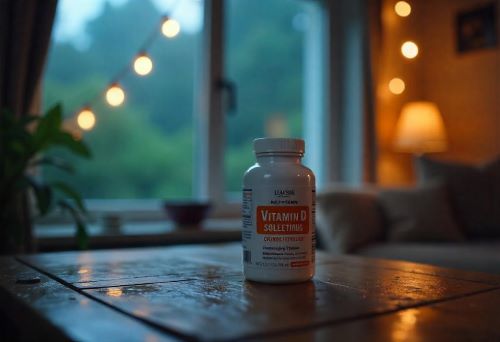
Public Health Implications
Given the affordable nature of vitamin D and its broad health benefits, this discovery has the potential to reshape public dental health strategies.
Schools and pediatric health programs could consider vitamin D supplementation to combat widespread childhood tooth decay, especially in low-income communities

Conclusion: Prevention Over Cure
Instead of waiting for cavities to form and spending heavily on dental procedures, it makes more sense to focus on prevention. The review provides compelling evidence that vitamin D is a game-changer in oral health.
Are You Getting Enough Vitamin D? Here’s Why It Matters More Than You Think
Vitamin D is often called the “sunshine vitamin” for a good reason. It’s produced in your skin in response to sunlight and plays a critical role in maintaining bone health, supporting the immune system, and reducing the risk of chronic diseases. But in today’s fast-paced lifestyle and indoor habits, vitamin D deficiency has become alarmingly common — especially in India.
Why Is Vitamin D So Important?
The Sunshine Vitamin Your Body Craves
Vitamin D is a fat-soluble vitamin essential for calcium absorption in the gut. Without it, bones can become thin, brittle, or misshapen. Vitamin D also has roles in:
- Regulating mood and warding off depression
- Supporting cardiovascular health
- Reducing inflammation
- Boosting immune responses to infections
Vitamin D and Immunity: A Powerful Duo
Recent studies have shown that individuals with optimal vitamin D levels are better protected against flu, colds, and even COVID-19. It enhances pathogen-fighting effects of monocytes and macrophages — white blood cells that are important parts of your immune defense.
Are You Deficient in Vitamin D? Common Signs You Shouldn’t Ignore
Vitamin D deficiency symptoms can be subtle or mistaken for other health issues. Here are some signs to watch out for:
- Fatigue and tiredness
- Frequent infections
- Bone and back pain
- Depression or mood swings
- Hair loss
- Slow wound healing
- Muscle pain
Many people don’t realize they are vitamin D deficient until they undergo a blood test.
Major Causes of Vitamin D Deficiency in India
Despite abundant sunshine, India has one of the highest rates of vitamin D deficiency in the world. Here’s why:
1. Indoor Lifestyle
Urban Indians spend over 90% of their time indoors, reducing exposure to direct sunlight.
2. Skin Tone
Melanin reduces the skin’s ability to produce vitamin D from sunlight. Darker-skinned individuals need more sun exposure to make adequate levels.
3. Pollution and Sunscreen
High levels of air pollution and excessive use of sunscreen block UVB rays, which are essential for vitamin D synthesis.
4. Poor Dietary Sources
Indian diets are generally low in vitamin D-rich foods like fatty fish, egg yolks, and fortified dairy products.
How Much Vitamin D Do You Really Need?
According to global health guidelines:
- Children (1–18 years): 600 IU/day
- Adults (19–70 years): 600–800 IU/day
- Elderly (>70 years): 800–1000 IU/day
- Pregnant and lactating women: 600–800 IU/day
However, those with a deficiency may require higher therapeutic doses, under medical supervision.
Top Natural Sources of Vitamin D
To boost your levels naturally, include the following foods in your diet:
- Fatty fish (salmon, sardines, mackerel)
- Egg yolks
- Fortified milk, cereals, and orange juice
- Cheese
- Mushrooms exposed to sunlight
But food alone is often not enough, especially for vegetarians or those with absorption issues.
Sun Exposure: The Easiest Way to Get Vitamin D
How Much Sun is Enough?
Expose your face, arms, and legs to direct sunlight for 15–30 minutes, between 10 am to 3 pm, at least 3–4 times a week without sunscreen. This varies depending on skin type, location, and season.
Note: Glass windows block UVB rays, so sitting near a sunny window won’t help.
Vitamin D Supplements: When and Why You Need Them
If you can’t get enough from sun or diet, vitamin D supplements are a safe and effective alternative.
Forms of Vitamin D Supplements:
- Vitamin D2 (ergocalciferol) – Plant-based
- Vitamin D3 (cholecalciferol) – Animal-based and more effective at raising blood levels
Most doctors recommend Vitamin D3 supplements in doses ranging from 1,000 IU to 5,000 IU daily or weekly high-dose injections in severe cases.
Who Is at Risk of Vitamin D Deficiency?
Certain groups are more vulnerable to low vitamin D levels:
- Elderly adults
- People with dark skin
- Breastfed infants
- Obese individuals
- People with kidney or liver disease
- Those with limited sun exposure
Regular testing (25-hydroxyvitamin D test) is advisable if you fall in any of these categories.
Health Risks of Ignoring Vitamin D Deficiency
Long-term deficiency can lead to:
- Rickets in children (softening of bones)
- Osteomalacia in adults
- Increased risk of osteoporosis and fractures
- Autoimmune disorders
- Higher susceptibility to infections
- Mood disorders like anxiety and depression
Vitamin D and Dental Health: A Lesser-Known Connection
A surprising benefit of vitamin D is its role in preventing tooth decay and gum diseases. It helps the body absorb calcium, which strengthens enamel and supports jawbone health.
Recent research has shown that adequate vitamin D levels can reduce the risk of dental caries by up to 50%, making it crucial for both kids and adults.
Takeaway: Don’t Let Vitamin D Deficiency Go Unnoticed
Quick Recap:
✅ Vitamin D supports bones, immunity, and mental health
✅ Most Indians are deficient despite sunlight availability
✅ Regular sun exposure + diet + supplements can fix the issue
✅ Blood tests help confirm your vitamin D status
Final Words: Act Now for a Healthier Future
With increasing screen time, poor diet, and sedentary lifestyles, vitamin D deficiency has become a silent epidemic in India. Prioritizing sun exposure, eating vitamin D-rich foods, and consulting a healthcare provider for supplements can go a long way in improving your overall well-being.
So, are you getting enough vitamin D? If not, it’s time to step into the sun and take charge of your health!
Final Takeaway:
“A few minutes in the sun or a glass of fortified milk could be more effective than a trip to the dentist.”
So the next time you skip your daily sun exposure or forget to include vitamin D in your diet, remember—your teeth might just thank you for it.
New Study Highlights the Link Between Vitamin D and Dental Health
Vitamin D Can Help Prevent Tooth Decay by Up to 50%, Say Experts
Tooth decay, also known as dental caries, remains one of the most widespread and costly health problems around the world. It affects people of all ages—from children with poor oral hygiene to adults suffering from vitamin deficiencies or unhealthy dietary habits.

Dental treatments such as fillings, root canals, and crowns are not only painful but also heavy on the pocket.
But a new scientific review has now brought some good news. According to researchers, a simple and affordable nutrient—Vitamin D—can reduce the risk of tooth decay by nearly 50%.
The findings, published in Nutrition Reviews, are based on a comprehensive analysis of 24 controlled clinical trials conducted between the 1920s and 1980s,
involving over 3,000 children from countries like the US, UK, Canada, and Sweden.