
Introduction
National Anaemia Day is observed every year on March 21 to spread awareness about anaemia, a condition that occurs due to a deficiency of red blood cells or haemoglobin in the body.
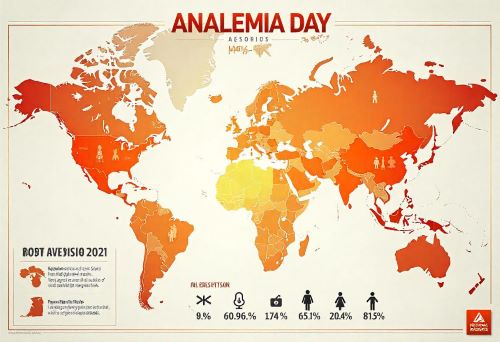
According to the National Family Health Survey 5 (2019-21), approximately 57% of women aged 15 to 49 in India are anaemic. The condition is more prevalent in women than in men due to biological, dietary, and socio-economic factors.
In this article, we will explore why anaemia is more common in women and discuss five effective ways to prevent and manage this health issue.
Why Is Anaemia More Common in Women?

Anaemia is a widespread health concern among women due to various biological, nutritional, and lifestyle factors. Some of the major reasons include:
1. Menstruation and Blood Loss
Women experience monthly menstrual cycles, leading to regular blood loss, particularly those who suffer from heavy periods (menorrhagia). This results in a significant depletion of iron levels over time, making them more prone to anaemia.
2. Pregnancy-Related Iron Deficiency
During pregnancy, a woman’s body requires additional iron to support the growth and development of the foetus. If the diet is not rich in iron, it can lead to iron-deficiency anaemia, increasing complications for both mother and child.
3. Poor Dietary Habits
A lack of iron-rich foods in the diet is a significant cause of anaemia. Women, especially in low-income groups, often consume diets deficient in:
- Iron-rich foods like red meat, fish, and poultry
- Leafy green vegetables such as spinach and kale
- Iron-fortified cereals and grains
4. Deficiency of Other Essential Nutrients
Apart from iron, deficiencies in vitamin B12 and folic acid contribute to anaemia. These nutrients play a vital role in the production of red blood cells. A lack of dairy products, eggs, and fortified foods in the diet can lead to pernicious anaemia.
5. Chronic Diseases and Poor Nutrient Absorption
Certain medical conditions, such as kidney disease, gastrointestinal disorders (like celiac disease), and chronic infections, can lead to poor iron absorption, increasing the risk of anaemia.
5 Effective Ways to Combat Anaemia in Women
To prevent and manage anaemia, women must adopt healthy dietary and lifestyle habits. Here are five key steps to fight anaemia effectively:
1. Increase Iron Intake Through a Balanced Diet
Eating iron-rich foods is the best way to prevent iron-deficiency anaemia. Women should include:
✅ Animal-based iron sources: Red meat, liver, fish, and eggs
✅ Plant-based iron sources: Leafy greens, lentils, chickpeas, tofu, and seeds
✅ Iron-fortified cereals and grains for added nutrition
2. Consume Vitamin C-Rich Foods
Vitamin C enhances iron absorption in the body. Adding foods like:
🍊 Citrus fruits (oranges, lemons)
🍓 Strawberries
🌶 Bell peppers
🥦 Broccoli
to your diet can help improve iron absorption and reduce the risk of anaemia.
3. Take Iron and Folic Acid Supplements
For women with severe anaemia, taking iron and folic acid supplements as prescribed by doctors is essential. These supplements help boost haemoglobin levels and prevent iron deficiency.
4. Avoid Excess Tea and Coffee Consumption
Drinks like tea and coffee contain tannins, which can inhibit iron absorption in the body. It is recommended to:
❌ Avoid drinking tea/coffee immediately after meals
✅ Replace caffeinated drinks with fresh juices or herbal teas
5. Regular Health Check-Ups and Screening
Routine blood tests help in early diagnosis and treatment of anaemia. Women should:
🩺 Get haemoglobin levels checked regularly
💉 Take necessary treatments in case of deficiency
🥗 Maintain a healthy and balanced diet
Conclusion
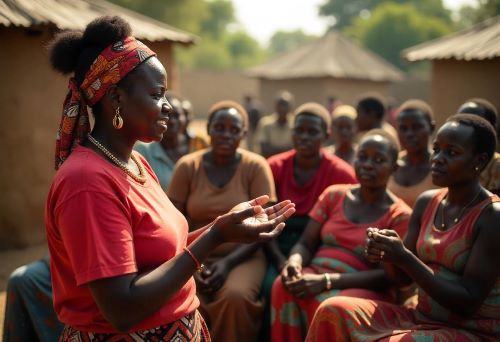
Anaemia is a serious health issue affecting millions of women in India. Understanding the causes and adopting preventive measures can significantly reduce its prevalence.
By improving diet, increasing iron intake, and going for regular check-ups, women can maintain good health and prevent anaemia-related complications.
Stay healthy and spread awareness on National Anaemia Day!