
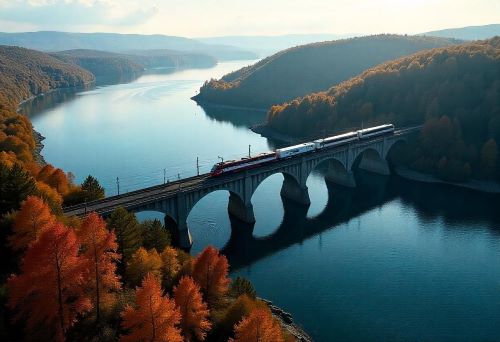
India is making a groundbreaking move in the transportation sector with the launch of its first hydrogen-powered train.
The Indian Railways, in collaboration with the Research, Design, and Standard Organisation (RDSO), is all set to introduce this eco-friendly train on the Jind-Sonipat route in Haryana by March 31, 2025. This initiative will mark a significant shift towards sustainable and green energy solutions in rail transport.
India’s First Hydrogen Train: A Step Towards Green Railways
The transition from diesel to electric trains was a crucial step in reducing carbon emissions. Now, India is taking a leap forward by introducing hydrogen-powered trains, placing the country among a select group of nations that have embraced this clean energy technology.
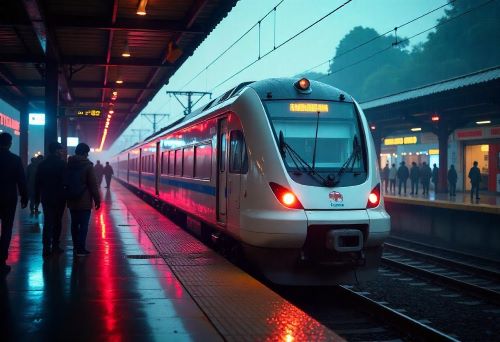
Hydrogen trains are zero-emission alternatives to traditional locomotives, as they emit only water vapor and heat. These trains will play a significant role in India’s ambitious target of achieving net-zero carbon emissions by 2070.
Key Features of India’s Hydrogen-Powered Train
The hydrogen train project is being developed with cutting-edge technology and modern design. Below are some of its key features:
- Eco-Friendly Operations: The train will use hydrogen fuel cells, which generate electricity by combining hydrogen and oxygen, resulting in no harmful emissions.
- High Speed: The hydrogen train is expected to run at a maximum speed of 140 km/h, making it both fast and efficient.
- Advanced Design: Developed by RDSO, the train is designed to offer a modern and comfortable experience to passengers.
- Energy Efficient: Hydrogen fuel cells provide a more energy-efficient solution compared to diesel-powered trains.
- Reduced Noise Pollution: Unlike diesel engines, which produce considerable noise, hydrogen-powered trains operate quietly.
- Lightweight Structure: The train is built with lightweight materials to enhance efficiency and reduce energy consumption.
Why Hydrogen Trains? The Benefits of Hydrogen-Powered Locomotives
Hydrogen trains are gaining popularity worldwide due to their environmental and operational benefits. Here’s why India is embracing this technology:
1. Zero Carbon Emissions
Unlike diesel engines, hydrogen trains release zero greenhouse gases, making them an ideal solution for combating climate change.
2. Cost-Effective in the Long Run
Although the initial cost of setting up hydrogen fuel infrastructure is high, the operational and maintenance costs are significantly lower than traditional diesel locomotives.
3. Energy Security
India imports a significant portion of its fossil fuels. By shifting to hydrogen fuel, the country can reduce its dependence on expensive crude oil imports.
4. Noise Reduction
Hydrogen trains operate more quietly than diesel-powered trains, leading to a better experience for passengers and railway workers.
5. Sustainable Development
With the increasing emphasis on clean energy and sustainability, hydrogen-powered trains align with India’s vision of a green economy and reduced carbon footprint.
India’s Hydrogen Train Route: Where Will It Operate?
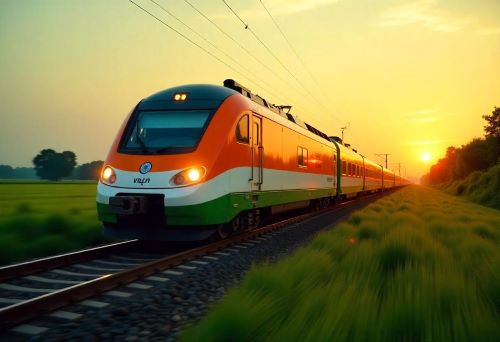
The first hydrogen train will be launched on the Jind-Sonipat route in Haryana. This route was selected for the pilot project due to feasibility studies and operational convenience.
If successful, the government plans to expand hydrogen train operations to other parts of the country.
Global Perspective: Countries Using Hydrogen Trains
India is joining the ranks of a few pioneering nations that have successfully implemented hydrogen-powered trains. Some of the countries leading in hydrogen train technology include:
- Germany: The world’s first hydrogen train was launched in Germany in 2018.
- France: France is investing heavily in hydrogen train technology to replace diesel locomotives.
- China: China is developing hydrogen-powered trains to enhance its green transportation network.
- Japan: Known for its advancements in rail technology, Japan is also investing in hydrogen fuel cells for rail transport.
Government’s Vision for Hydrogen Fuel Adoption in Railways
The launch of hydrogen-powered trains aligns with the Indian Railways’ goal of becoming a net-zero carbon emitter by 2030. The government has introduced several initiatives to promote hydrogen as an alternative fuel:
- National Hydrogen Mission: Launched to develop hydrogen production and storage infrastructure in India.
- Investment in Hydrogen Technology: The Ministry of Railways is collaborating with various research organizations to develop indigenous hydrogen train technology.
- Expansion Plans: After the success of the Jind-Sonipat pilot project, the government plans to introduce hydrogen trains on other routes across India.
Challenges in Implementing Hydrogen Trains in India
While hydrogen trains offer a promising solution for clean transportation, there are several challenges that need to be addressed:
- High Initial Cost: Setting up hydrogen fuel stations and infrastructure requires significant investment.
- Hydrogen Production: Most hydrogen is currently produced using fossil fuels. India needs to focus on green hydrogen production through renewable sources.
- Storage and Safety: Hydrogen is a highly flammable gas, making its storage and transportation challenging. Advanced safety measures must be in place.
- Technical Expertise: The adoption of hydrogen trains requires skilled engineers and advanced research facilities.
Future of Hydrogen Trains in India
The launch of India’s first hydrogen train is just the beginning of a new era in railway transportation. As technology advances and infrastructure develops, hydrogen-powered trains will likely become more common across the country.
- The government aims to introduce more hydrogen trains by 2030, replacing old diesel locomotives.
- Investment in hydrogen production and fuel cell technology is expected to increase.
- Research and development will focus on improving efficiency, safety, and cost-effectiveness of hydrogen-powered trains.
Conclusion

India’s first hydrogen train is a major step towards a sustainable and carbon-free railway network. By launching this green train on the Jind-Sonipat route, the Indian Railways is setting an example for eco-friendly transportation.
With its zero emissions, cost savings, and energy efficiency, hydrogen-powered rail transport has the potential to revolutionize India’s railway sector.
If successfully implemented, this initiative will not only reduce carbon emissions but also pave the way for a cleaner, greener future.
As India moves towards renewable energy and clean transportation, hydrogen trains will play a crucial role in shaping the future of Indian Railways.